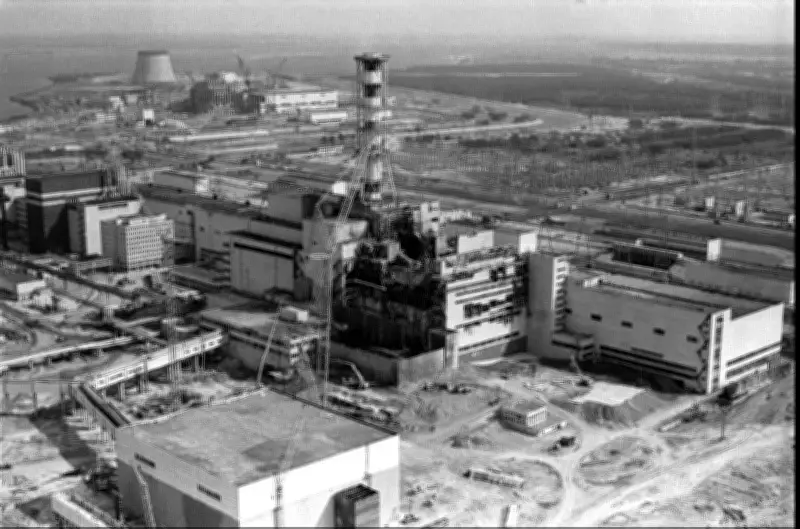
Nuclear energy is undergoing a global revival 40 years after the Chernobyl disaster, as countries seek low-carbon power sources to combat climate change and enhance energy security. The catastrophic explosion at the Chernobyl nuclear plant on April 26, 1986, sent a radioactive plume across Europe, leading to widespread fear and a slowdown in nuclear power development. However, recent years have seen a shift in attitudes, with many nations now embracing nuclear technology as a key component of their energy strategies.
Factors Driving the Nuclear Comeback
Several factors are contributing to the renewed interest in nuclear energy. The urgent need to reduce greenhouse gas emissions has prompted governments to reconsider nuclear power as a reliable, carbon-free energy source. Additionally, geopolitical tensions and supply chain disruptions have highlighted the importance of energy independence, leading countries to invest in domestic nuclear capacity.
Technological Advances
Advances in nuclear technology, such as small modular reactors (SMRs) and improved safety systems, have made nuclear power more attractive. These innovations promise lower costs, enhanced safety, and greater flexibility compared to traditional large-scale reactors.

Policy Support
Governments worldwide are implementing policies to support nuclear energy. The European Union has included nuclear in its taxonomy of sustainable investments, while countries like France, the United Kingdom, and Japan are planning new reactor constructions. The United States has also committed funding for advanced nuclear projects.
Challenges and Concerns
Despite the resurgence, nuclear energy faces significant hurdles. Public opposition remains strong in some regions due to safety fears and unresolved issues around radioactive waste disposal. High upfront costs and long construction times also pose challenges. Furthermore, the recent conflict in Ukraine has raised concerns about the security of nuclear facilities.
Waste Management
The disposal of nuclear waste continues to be a contentious issue. While technological solutions exist, political and social acceptance for permanent storage sites is limited. Countries are exploring deep geological repositories, but progress has been slow.
Safety and Regulation
Regulatory frameworks are being updated to address new reactor designs and ensure robust safety standards. The International Atomic Energy Agency plays a key role in promoting global nuclear safety and security.
Global Projects and Initiatives
Several major nuclear projects are underway. In Europe, Finland's Olkiluoto 3 reactor recently began operations, while France is planning to build up to 14 new reactors. Asia is also a hotspot, with China and India expanding their nuclear fleets. The Middle East sees the United Arab Emirates' Barakah plant now operational, and Saudi Arabia is exploring nuclear options.
Small Modular Reactors
SMRs are gaining traction as a flexible and cost-effective alternative. Companies like NuScale Power in the U.S. and Rolls-Royce in the UK are developing SMR designs that could be deployed in the 2030s.
Conclusion
The global nuclear energy revival marks a significant shift four decades after Chernobyl. While challenges remain, the potential for nuclear power to contribute to a low-carbon future is increasingly recognized. As technology advances and policies evolve, nuclear energy may play a crucial role in the world's energy transition.