Oil and Gas Prices Surge as Iran Conflict Escalates, Fueling Market Volatility
Global energy markets are experiencing significant turbulence as the ongoing conflict in Iran shows no signs of abating, leading to a sharp and rapid increase in oil and gas prices. This development has sent shockwaves through economies worldwide, with consumers and businesses alike feeling the immediate impact at the pump and in operational costs.
Market Reactions and Price Spikes
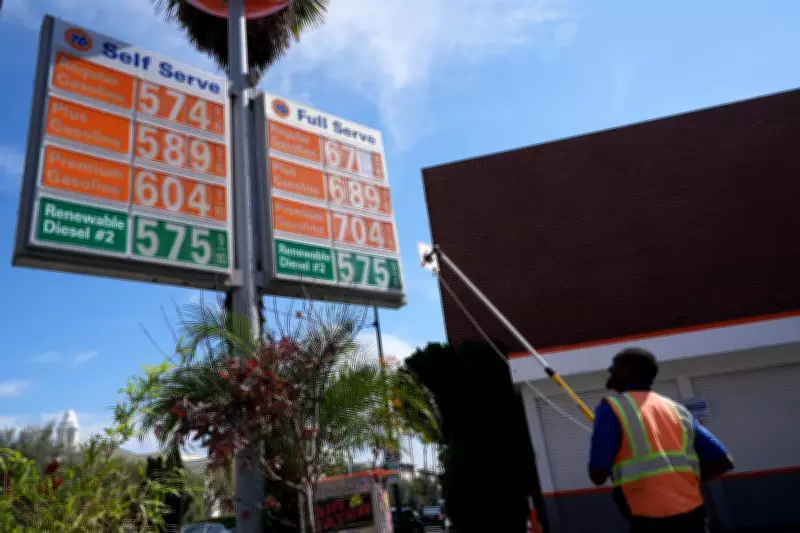
The price of oil has surged above US$90 per barrel, marking a substantial rise that reflects heightened geopolitical tensions in the Middle East. This escalation is directly contributing to increased gasoline prices, as seen in regions like Beverly Hills, California, where manual adjustments at fuel stations have become necessary to keep pace with market fluctuations. The uncertainty surrounding the conflict has created a volatile trading environment, with investors and analysts closely monitoring developments for any signs of de-escalation or further instability.
Economic implications are profound, as higher energy costs ripple through supply chains, affecting transportation, manufacturing, and consumer spending. The S&P/TSX composite index, for instance, dropped more than 520 points in response to these market pressures, highlighting the broader financial strain. This downturn underscores how geopolitical events can swiftly influence stock markets and economic indicators, prompting concerns about inflation and growth prospects in the near term.

Geopolitical Context and Regional Impacts
The Iran war, now in its second week, has escalated tensions across the Middle East, disrupting trade routes and threatening oil production stability. Countries dependent on energy imports are particularly vulnerable, as seen in Canada, where fuel prices in provinces like Saskatchewan have surged amid market fluctuations. The conflict has also led to stranded travelers, such as an Ottawa man stuck in Iraq, illustrating the personal and logistical challenges arising from the unrest.
International responses are varied, with Canada's Prime Minister Carney stating that the country is not engaged in the Middle East conflict, while trade discussions with the U.S. continue amid these uncertainties. The U.S. customs agency anticipates having a tariff refund system operational within 45 days, which may offer some relief but does little to address the core issue of supply disruptions. Meanwhile, environmental factors, such as heat waves and extreme weather events, compound the situation by affecting energy demand and infrastructure resilience.
Future Outlook and Consumer Concerns
As the conflict persists, experts warn that oil and gas prices could climb even higher, posing challenges for households and industries already grappling with economic pressures. The rapid rise in fuel costs is likely to influence consumer behavior, potentially leading to reduced travel and increased demand for alternative energy sources. In the long term, this may accelerate shifts toward renewable energy and electric vehicles, but in the immediate future, the focus remains on managing the financial burden.
Key factors to watch include diplomatic efforts to resolve the Iran war, OPEC production decisions, and global economic policies aimed at stabilizing markets. Until a resolution is reached, volatility is expected to continue, making it essential for stakeholders to stay informed and adapt to changing conditions. The interplay between geopolitical strife and energy economics serves as a stark reminder of how interconnected our world has become, with far-reaching consequences for daily life and financial stability.