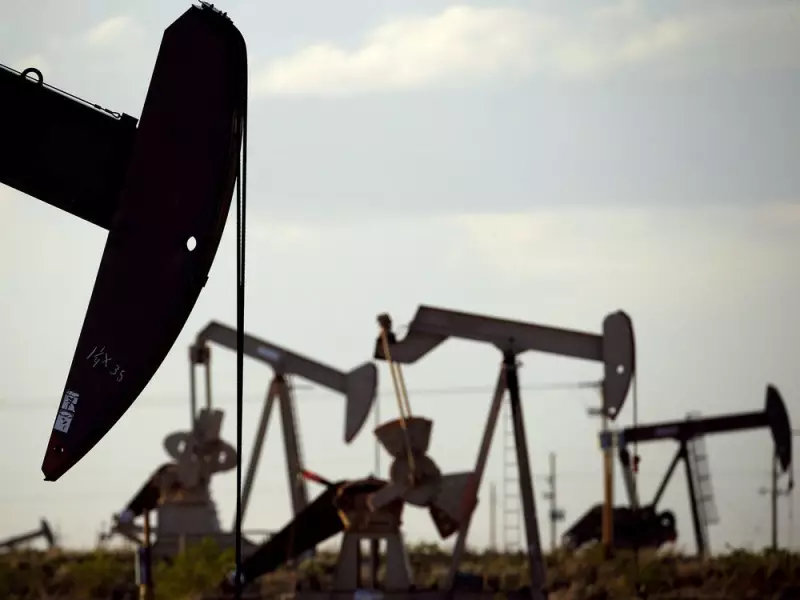
Global oil markets experienced a notable rebound on Monday, erasing the previous session's decline, as geopolitical tensions and economic pledges took center stage. The shift was driven by fresh complications in efforts to end the war in Ukraine and a commitment from China, the world's largest crude importer, to bolster its economy in the coming year.
Geopolitical Tensions Provide Price Support
West Texas Intermediate (WTI) crude climbed 2.4 per cent to settle above US$58 a barrel, while the global benchmark Brent closed near US$62. The price increase followed a weekend where U.S. President Donald Trump reported progress in talks with Ukrainian President Volodymyr Zelenskiy at Mar-a-Lago. However, the momentum toward a peace deal stalled on Monday when Russian President Vladimir Putin announced Russia would revise its negotiating position. This decision came in response to a purported drone attack on one of his residences, introducing new sticking points.
Analysts noted that the lack of a breakthrough, particularly on issues like the status of the Russian-occupied Donbas region, lent support to oil prices. "It feels like there's still back-and-forth ahead," remarked Gao Mingyu, chief energy analyst at China Futures Co.

China's Pledge to Counter Economic Headwinds
Simultaneously, market sentiment found a boost from signals out of Beijing. China's Ministry of Finance issued a statement on Sunday pledging to broaden the country's fiscal spending base in the next year. This move is seen as direct government support to drive economic growth, which has faced significant challenges.
The world's top crude importer has been navigating a property market downturn and external pressures, including ongoing trade frictions with the United States. Despite these headwinds, expectations remain that Beijing's robust strategic stockpiling of crude will continue, helping to absorb surplus global supply.
Broader Market Context and Regional Risks
Despite Monday's gains, oil remains on track for a fifth consecutive monthly decline in December, which would mark the longest losing streak in over two years. The primary drag on prices has been concern over a global supply glut. This surplus follows production increases from members of the OPEC+ alliance and other nations outside the cartel.
Other geopolitical flashpoints are also underpinning prices. In the Middle East, a source of roughly one-third of global supply, U.S. President Trump and Israeli Prime Minister Benjamin Netanyahu were set to discuss potential new strikes on Iran. The talks would focus on Iran's ballistic missile program and the rebuilding of nuclear sites damaged by U.S. action in June. Renewed conflict in the region could threaten crude flows.
Furthermore, tensions in Venezuela escalated as the Trump administration imposed a partial maritime blockade, supported by a significant U.S. military deployment. While the U.S. cited anti-drug operations, Venezuela has condemned the actions as illegal and an attempt at regime change. These regional tensions have helped stem the market's slump in recent weeks.
The interplay between ample supply and unpredictable geopolitical risk continues to define the volatile crude market as the year draws to a close.