Oil Markets Braced for Turbulence Following Military Strikes on Iran
The global oil market is poised for a period of heightened volatility as geopolitical tensions in the Middle East intensify. Recent military strikes by the United States and Israel against Iran have injected significant uncertainty into energy supply chains, with analysts warning of potential price swings in the coming week.
Escalating Conflict Disrupts Regional Stability
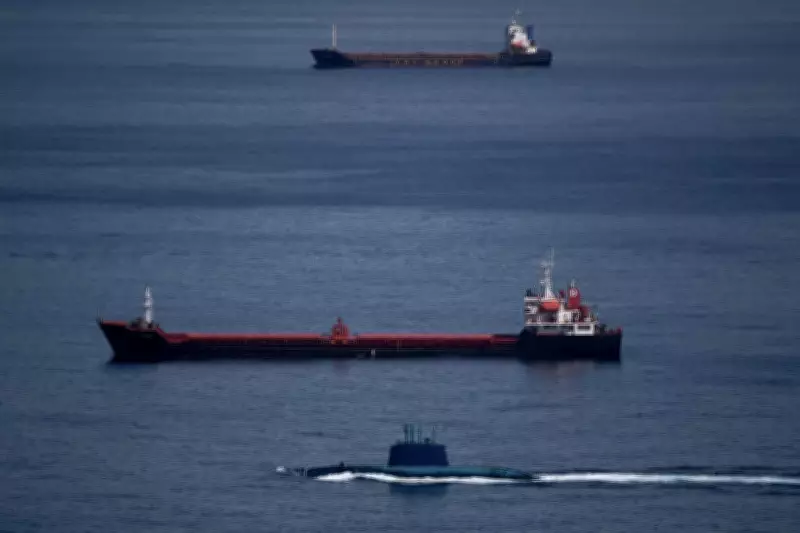
On Saturday, February 28, 2026, Israel issued a nationwide alert following coordinated strikes with U.S. forces on Iranian targets. The immediate aftermath saw an Israeli submarine deployed in Haifa Bay, northern Israel, underscoring the military readiness in the region. This escalation has directly impacted oil markets, as traders assess the risk of supply disruptions from one of the world's most critical energy-producing areas.
The attacks have already caused flight cancellations and reroutings across the Middle East and beyond, highlighting the broad operational disruptions. World leaders have reacted cautiously to the strikes, with growing fears that the conflict could widen, further destabilizing global energy supplies.

Market Reactions and Supply Chain Concerns
Energy analysts note that any military action in the Persian Gulf region typically triggers immediate reactions in oil futures. Iran is a major oil producer, and prolonged conflict could hinder its export capabilities or lead to retaliatory measures affecting shipping lanes like the Strait of Hormuz, through which approximately one-fifth of the world's oil passes.
"The uncertainty is palpable," one market observer commented. "Traders are factoring in not just the immediate disruptions but the potential for a protracted conflict that could strain global inventories." This sentiment is reflected in early trading indicators, with prices showing increased sensitivity to news updates from the region.
Broader Economic Implications
The volatility comes at a delicate time for global economies, many of which are grappling with inflationary pressures. Fluctuating oil prices can directly influence transportation costs, manufacturing expenses, and consumer prices, adding another layer of complexity to economic forecasting.
- Increased Risk Premium: Oil prices often incorporate a geopolitical risk premium during times of conflict, which can lead to sustained higher costs even if physical supplies remain unchanged.
- Inventory Strategies: Countries and corporations may accelerate stockpiling efforts to buffer against potential shortages, further tightening available supply.
- Alternative Energy Push: Prolonged instability could accelerate investments in renewable energy sources and electric vehicles as nations seek to reduce dependency on volatile fossil fuel markets.
As the situation develops, market participants will closely monitor diplomatic responses, any further military engagements, and Iran's capacity to maintain its oil production and export levels. The coming days are likely to see heightened trading activity and price movements as the full implications of the U.S.-Israel actions become clearer.