Global oil markets found a tentative equilibrium in the final trading days of 2025, as simmering geopolitical flashpoints from Venezuela to Yemen provided a counterweight to growing fears of a worldwide supply glut. West Texas Intermediate (WTI) crude futures showed little movement, settling near US$58 per barrel in subdued trading ahead of the New Year's holiday.
Geopolitical Risks Provide a Floor for Prices
Traders are navigating a complex landscape of international tensions. In a significant Middle Eastern development, the United Arab Emirates announced it will withdraw forces from Yemen. This decision follows heightened friction with its oil-rich ally, Saudi Arabia, regarding military strategy in the conflict-ridden nation.
Simultaneously, efforts to resolve the war in Ukraine face new hurdles. Russian President Vladimir Putin stated he would revise his negotiating position, creating fresh obstacles for a peace plan championed by U.S. President Donald Trump. The ongoing conflict has led to tighter international sanctions on Moscow's oil exports, aimed at forcing an end to the war.

Further complicating the supply picture, the Trump administration is enforcing a partial U.S. blockade on Venezuela, which has significantly curtailed the South American country's crude exports. This pressure has forced a reality check for President Nicolas Maduro, with Venezuela beginning to shut down wells as local storage capacity fills up, threatening the core of its oil-dependent economy.
Mounting Evidence of a Global Surplus
Despite these geopolitical undercurrents, the overarching market narrative remains dominated by concerns over excess supply. Crude oil is poised for a sharp annual decline, driven by worries that production will outstrip demand. This follows moves by the OPEC+ alliance to ramp up output earlier in the year in a bid to recapture market share.
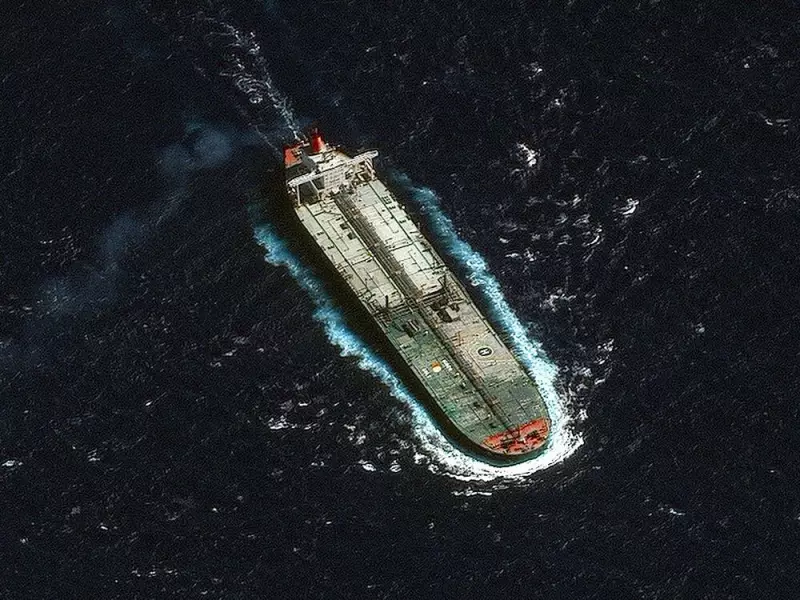
Delegates indicate that OPEC+ members, meeting this weekend, are expected to stick with plans to pause further supply increases. This decision comes amid mounting signs of a surplus. Data from analytics firm Vortexa Ltd. shows a steady rise in the volume of oil held on idle tankers worldwide—a classic indicator of oversupply.
In the United States, tangible evidence of ample stocks is also present. Crude inventories at the key Cushing, Oklahoma, storage hub saw their largest weekly build since late October in the period ending December 19, according to government figures. Nationwide holdings of refined products like gasoline and distillates also increased.
Market Outlook for the New Year
The current price steadiness masks a year of significant volatility and decline for the oil sector. The market is caught between the immediate, price-supportive risks of regional conflicts and export disruptions, and the longer-term, bearish pressure of swelling inventories and robust production.
As traders look ahead to 2026, the central question will be whether geopolitical sparks can continue to offset the fundamental weight of the oversupply. The decisions of OPEC+, the trajectory of U.S. shale output, and the durability of sanctions on producers like Russia and Venezuela will be critical factors determining the direction of crude prices in the coming months.