An escalating U.S. maritime blockade is forcing a growing number of oil tankers to abandon their courses to Venezuela, creating a severe logistical crisis for the South American nation's crucial energy sector.
Growing List of Diverted Vessels
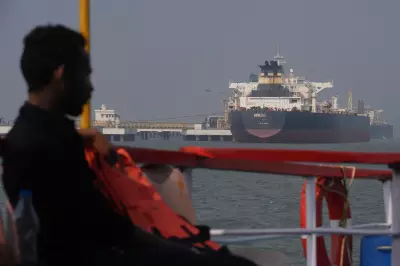
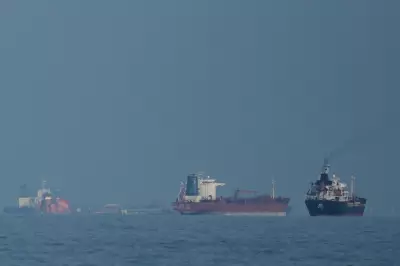
According to ship-tracking data monitored by Bloomberg, at least seven vessels have either reversed course or halted at sea to avoid Caribbean waters as of last Friday. This adds to four other tankers that turned away immediately after a high-profile incident in mid-December, where U.S. forces boarded the vessel named Skipper.
The combined carrying capacity of the ships now avoiding Venezuela is a staggering 12.4 million barrels of crude oil. Data indicates that four of these vessels have diverted to other destinations, while three others remain stalled, awaiting further developments.

Production Shut-Ins and Full Storage
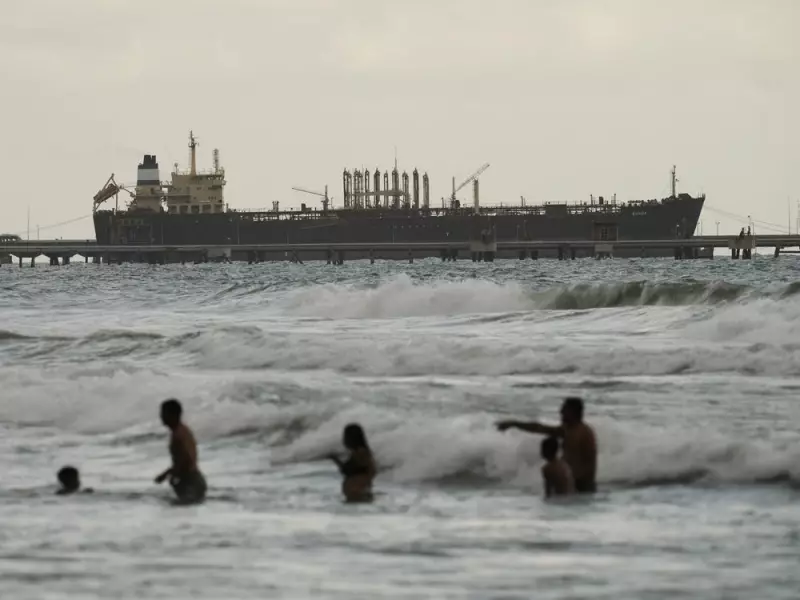
The ripple effects of this maritime blockade are being felt acutely on the ground in Venezuela. With fewer ships arriving to lift crude, the country's storage tanks are reportedly filling to the brim. This logistical bottleneck has forced the state-owned oil company, Petroleos de Venezuela SA (PDVSA), to take the drastic step of shutting in production at some oil wells.
The impact is particularly severe in the prolific Orinoco basin, the heart of Venezuela's oil industry. Production in this key region had plunged by 25 percent as of December 29 compared to levels seen just two weeks prior in mid-December.
U.S. Justification and Venezuelan Response
The administration of U.S. President Donald Trump has accused the government of Venezuelan President Nicolas Maduro of using oil revenues to fund a range of illicit activities, including drug trafficking and terrorism. As part of a broader pressure campaign, U.S. forces have seized two oil tankers and conducted strikes on boats allegedly involved in drug trafficking, which Venezuelan authorities say have resulted in over 100 fatalities.
In a significant escalation, the U.S. also recently struck a facility inside Venezuela that it claimed was used to move narcotics. Concurrently, Washington sanctioned four Chinese companies and four vessels linked to the Venezuelan crude trade.
Venezuela has vehemently denied all allegations, labeling the U.S. actions as illegal and a violation of its sovereignty.
Despite the sweeping restrictions, one notable exception remains. U.S. oil giant Chevron Corp. continues to lift Venezuelan crude under a specific license granted by the U.S. Treasury Department, highlighting the complex and sometimes contradictory nature of the sanctions regime.
The mounting pressure from the U.S. blockade represents a critical challenge for Venezuela's already beleaguered economy, which remains heavily dependent on oil exports for foreign currency and government revenue.