Oil markets are experiencing their most significant weekly surge since 2022, with prices skyrocketing approximately 20% as the ongoing war in the Middle East triggers widespread disruption across global energy sectors. The conflict has effectively paralyzed commercial shipping through the Strait of Hormuz, a vital maritime chokepoint for oil transportation, bringing traffic to a near-complete standstill.
Price Rally and Market Turbulence
Brent crude futures have rallied dramatically this week, climbing as much as 2.6% on Friday to surpass $87 per barrel. West Texas Intermediate followed suit, trading around $84. This surge persists despite interventions from US President Donald Trump, who indicated "imminent action" to alleviate price pressures, and the US Treasury Department, which eased restrictions on India's purchases of Russian oil.
Analyst Warnings and Inflation Concerns
Financial institutions like Goldman Sachs Group Inc. have raised alarms, highlighting scenarios where oil could breach $100 per barrel if disruptions continue. European diesel futures are poised for a staggering weekly gain of about 50%. Central banks globally have expressed unease over a potential resurgence in inflation driven by these energy shocks. Qatar's energy minister issued a stark warning, suggesting crude could spike to $150 per barrel within two to three weeks if tanker traffic through Hormuz remains blocked.

Shipping Collapse and Security Threats
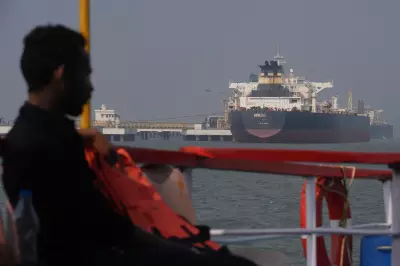
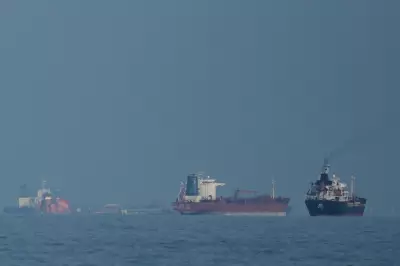
The Joint Maritime Information Center, a multinational naval advisory group, reported a "near-total" pause in commercial traffic through the Strait of Hormuz. This collapse stems from a combination of security threats, insurance constraints, operational uncertainty, and effective disruptions caused by the conflict. Ship-tracking data this week confirms a dramatic reduction in marine traffic through this critical artery, which typically handles about 20 million barrels of oil and petroleum products daily, according to the International Energy Agency.
Conflict Escalation and Regional Impact
The war, which began on February 28 with a US-Israeli campaign, has now ensnared approximately a dozen nations. Hostilities have intensified, with Iran firing missiles and drones targeting countries across the Persian Gulf overnight, while Israel renewed airstrikes on the Islamic Republic. Iranian Foreign Minister Abbas Araghchi stated his country has no intention to negotiate and is prepared for a ground invasion, though Trump later commented he was not considering such a move.
Global Supply Chain Disruptions
As shipping through the strait has all but ended, oil supplies to global markets have been choked, prompting producers to start shutting in output. Refineries and tankers have been directly impacted, creating a supply crunch. Importers are struggling to secure barrels, leading to emergency measures like the US Treasury Department's Office of Foreign Assets Control issuing a short-term waiver to allow India to buy Russian crude. Treasury Secretary Scott Bessent clarified this move "only authorizes transactions involving oil already stranded at sea."
Market Adjustments and Future Outlook
Indian refiners have already purchased over 10 million barrels of Russian crude, much of it potentially before the one-month waiver was announced. Reliance Industries Ltd. is among those seeking to buy Russian oil. With no signs of a let-up in hostilities, the prospect of a drawn-out conflict has put the market on edge, fueling volatility and uncertainty about long-term price stability and energy security.