The federal government has made a significant financial commitment to Newfoundland and Labrador's offshore oil industry, agreeing to cover the United Nations fees associated with the Bay du Nord development project. These fees could potentially reach a staggering $1 billion, according to recent announcements.
Minister Announces Federal Support
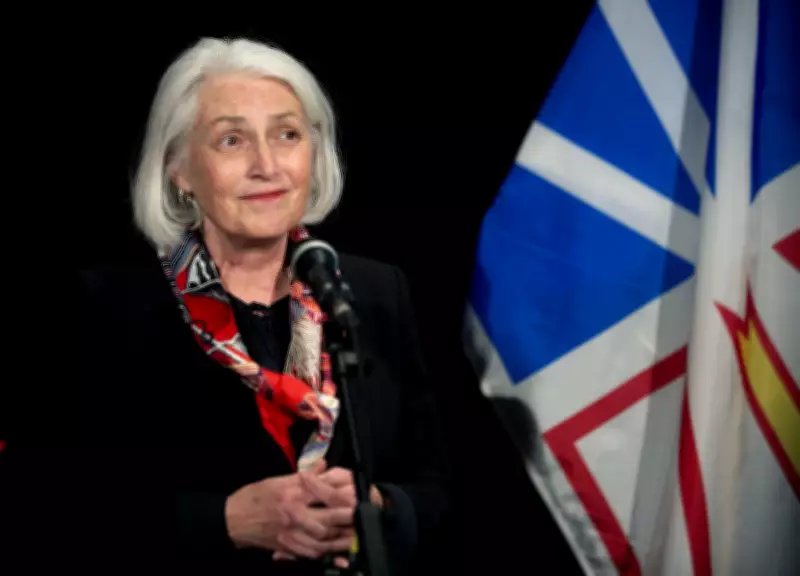
Federal Fisheries Minister Joanne Thompson confirmed the government's decision during a news conference held in St. John's, Newfoundland and Labrador, on Tuesday, March 3, 2026. The announcement represents a substantial investment in the province's energy sector and demonstrates Ottawa's continued support for major resource development projects in Atlantic Canada.
Understanding the UN Fees
The United Nations fees in question relate to international environmental and regulatory requirements for offshore oil projects that operate in waters governed by international agreements. These fees cover various compliance measures, environmental monitoring protocols, and international oversight mechanisms designed to ensure responsible resource extraction in sensitive marine environments.

The Bay du Nord project, located approximately 500 kilometers northeast of St. John's, represents one of Canada's most significant offshore oil discoveries in recent decades. The development has faced both environmental scrutiny and economic optimism since its discovery, with proponents highlighting its potential to generate substantial revenue and employment opportunities for the region.
Financial Implications and Timeline
The federal commitment to cover these international fees removes a significant financial burden from the project's developers and the provincial government. The $1 billion potential cost represents the upper estimate of what these UN-mandated fees might total over the project's lifespan, with actual costs dependent on various factors including:
- Project scale and duration
- Environmental monitoring requirements
- International regulatory changes
- Compliance verification processes
Minister Thompson emphasized that this financial support aligns with the federal government's broader energy and economic strategies, while also ensuring that Canada meets its international environmental obligations. The decision comes after extensive consultations between federal officials, provincial representatives, and project stakeholders.
Broader Context and Reactions
This announcement occurs within a complex landscape of energy policy debates, environmental concerns, and economic development priorities. The Bay du Nord project has been a subject of considerable discussion among policymakers, environmental groups, and industry representatives, with opinions divided on its long-term implications for both the economy and the environment.
The federal government's commitment to covering these substantial international fees represents a clear signal of support for Newfoundland and Labrador's offshore oil sector, which has faced challenges in recent years due to fluctuating oil prices and increasing environmental regulations. This decision may help accelerate the project's development timeline and provide greater certainty for investors and developers involved in the initiative.
As the project moves forward, monitoring of both its economic benefits and environmental impacts will continue to be a priority for all levels of government involved. The federal funding for UN fees represents just one component of the complex regulatory and financial framework surrounding major offshore energy developments in Canada.