Qatar Issues Dire Warning on Gulf Energy Exports Amid Regional Conflict
Qatar's energy minister has issued a stark warning that escalating war in the Middle East could force all Gulf energy exporters to shut down production within days, potentially driving oil prices to $150 per barrel and causing severe damage to global economies. Saad al-Kaabi told the Financial Times that the conflict could "bring down the economies of the world" through a chain reaction of energy shortages and price spikes.
Immediate Production Halts and Long Recovery Timeline
The minister revealed that even if hostilities ceased immediately, Qatar would require "weeks to months" to restore normal delivery cycles following an Iranian drone strike at its largest liquefied natural gas plant. The world's second-largest LNG producer was forced to declare force majeure this week after the attack on its Ras Laffan facility.
"Everybody that has not called for force majeure we expect will do so in the next few days that this continues," Kaabi stated. "All exporters in the Gulf region will have to call force majeure. If they don't, they are at some point going to pay the liability for that legally."

Market Reactions and European Vulnerability
Following the publication of these warnings, Brent crude surged 2.5 percent to $87.6 per barrel on Friday morning in European markets, reaching its highest level since the conflict began. European gas prices also climbed 5 percent, though they remained below this week's peak.
Kaabi emphasized that Europe would experience significant pain despite Qatar exporting only a small proportion of its gas directly to the continent. Asian buyers would likely outbid Europeans for whatever gas remains available on the market, while other Gulf countries would struggle to meet their contractual obligations.
Economic Consequences and Production Delays
The energy minister painted a grim picture of potential economic fallout: "If this war continues for a few weeks, GDP growth around the world will be impacted. Everybody's energy price is going to go higher. There will be shortages of some products and there will be a chain reaction of factories that cannot supply."
Qatar's assessment of damage from the drone strike remains ongoing, with Kaabi noting: "We don't yet know the extent of the damage, as it is currently still being assessed. It is not clear yet how long it will take to repair."
Major Expansion Projects Face Delays
The conflict has already impacted Qatar's ambitious $30 billion development plan to increase production capacity at its vast North Field gasfield. The project, designed to boost output from 77 million to 126 million tonnes annually by 2027, will face significant delays according to the minister.
"It will delay all our expansion plans for sure," Kaabi confirmed. "If we come back in a week, perhaps the effect is minimal; if it's a month or two, it is different." The first production from this expansion was originally scheduled to begin in the third quarter of this year.
Regional Infrastructure Limitations
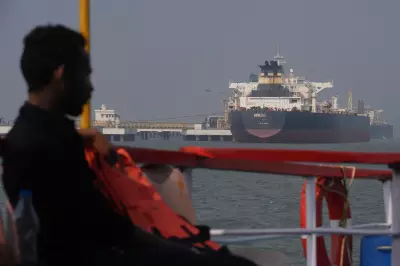
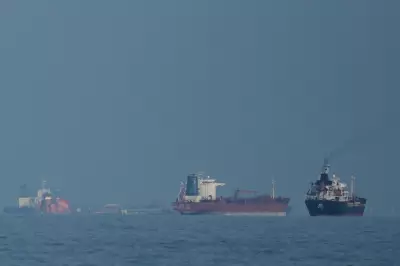
While Saudi Arabia and the United Arab Emirates maintain pipelines that can redirect some oil exports to ports outside the strategic Strait of Hormuz, significant production volumes remain trapped within the region. This limitation compounds the potential supply disruptions as regional tensions escalate.
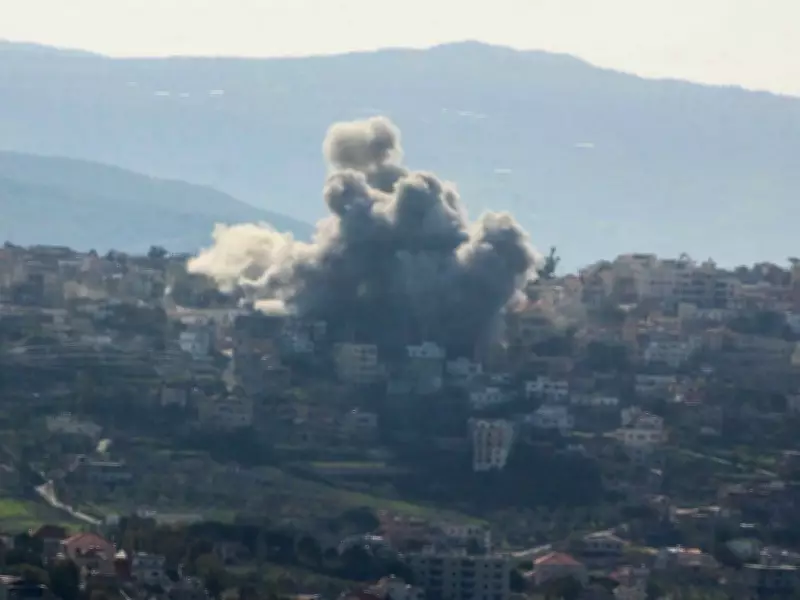
The minister's comments reflect growing concern throughout the Gulf about the economic repercussions of the conflict between the United States, Israel, and Iran, which has created widespread instability across the oil-rich region.