Qatar Postpones LNG Expansion to 2027 After Iran Drone Attack
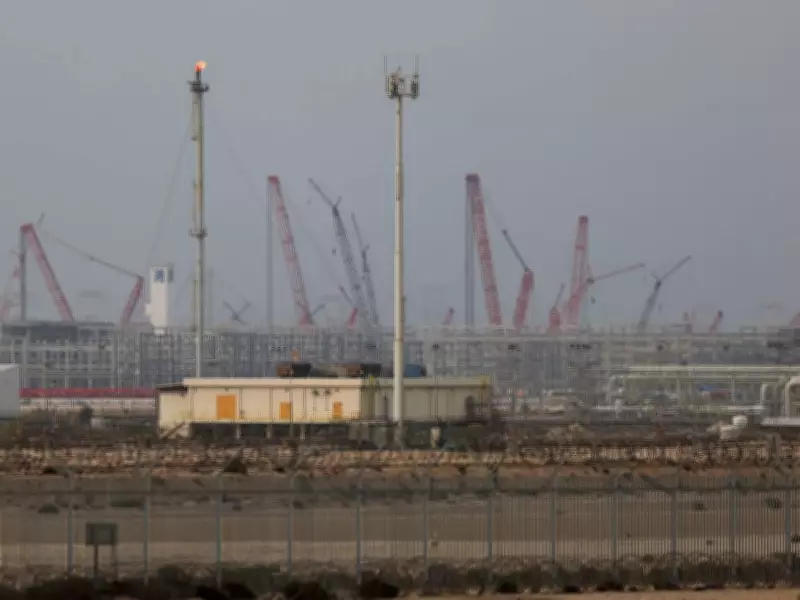
QatarEnergy has announced a significant delay in its major liquefied natural gas (LNG) expansion project, pushing the start date to at least 2027. This decision comes in the wake of a drone attack last week that forced the unprecedented closure of its Ras Laffan plant, a critical facility in Qatar's energy infrastructure.
Impact on Production and Global Supply
Production from the North Field East facility, which has a total capacity of 32 million tonnes per year, is now targeting its first export early next year. This assumes the outage at Ras Laffan extends for a month or less, according to sources familiar with the situation who requested anonymity due to the sensitivity of the information. However, if the closure becomes more prolonged amid escalating tensions in the Persian Gulf, the delay could be even further extended.
This project is part of a record wave of new LNG supply that was expected to flood the global market through the rest of the decade. The hold-up at North Field East not only disrupts Qatar's expansion plans but also postpones the emergence of a potential LNG glut, which could have significant implications for energy prices and market dynamics worldwide.

Previous Delays and Official Statements
Qatar had already pushed the project back to the end of this year in early February, though the reason for that initial delay was not immediately clear. Large-scale developments often face such setbacks as start-up approaches, typically to address engineering challenges and ensure operational efficiency.
In an interview with the Financial Times last week, Qatar's energy minister, Saad Al-Kaabi, indicated that the expansion project could be delayed but did not provide a specific timeline. QatarEnergy has not responded to requests for comment regarding the latest developments, leaving many details about the project's future uncertain.
The drone attack, attributed to Iran, has heightened concerns about security in the region and its impact on critical energy infrastructure. As Qatar navigates these challenges, the delay underscores the vulnerabilities in global energy supply chains and the geopolitical risks that can affect major industrial projects.