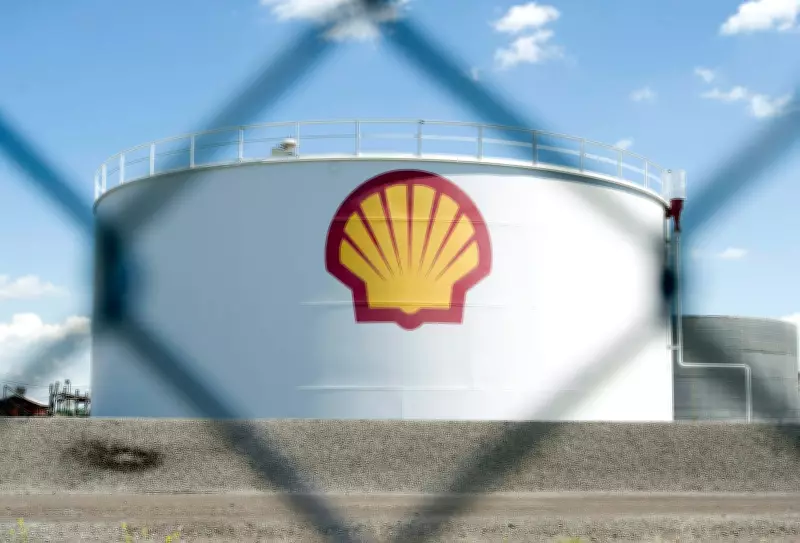
Major Energy Giants Invoke Force Majeure on Qatar LNG Deliveries
In a significant development impacting global energy markets, industry titans including Shell and TotalEnergies have officially declared force majeure to their clients who are contracted to receive liquefied natural gas (LNG) from Qatar. This move, confirmed by sources cited by Reuters, signals substantial disruptions in the supply chain for one of the world's leading LNG exporters. The declaration, made in early March 2026, underscores the volatile nature of international energy trade and its susceptibility to unforeseen operational challenges.
Understanding the Force Majeure Declaration
Force majeure is a contractual clause that frees parties from liability or obligation when an extraordinary event or circumstance beyond their control occurs. In this instance, the energy companies have cited specific, undisclosed disruptions affecting their ability to fulfill LNG delivery commitments from Qatar. While the exact nature of these disruptions remains confidential, industry analysts speculate they could relate to logistical issues, technical failures at export facilities, or geopolitical factors influencing Qatar's gas production and export capabilities.
Qatar stands as a global powerhouse in LNG exports, and any interruption in its supply chain has immediate ripple effects across international markets. Clients affected by this declaration likely include utilities, industrial consumers, and other entities across Europe, Asia, and beyond, who rely on Qatari LNG for energy generation and industrial processes. The invocation of force majeure allows the supplying companies to legally suspend or delay deliveries without facing penalties, though it may lead to renegotiations or force buyers to seek alternative, potentially more expensive, sources of natural gas.

Market Implications and Client Responses
The announcement is poised to inject further uncertainty into already tight global natural gas markets. Prices for LNG, particularly in regions like Europe which have increasingly depended on Qatari shipments to offset reduced pipeline gas from other sources, could experience upward pressure. Clients are now compelled to assess their contingency plans, which might include:
- Activating standby contracts with other LNG suppliers.
- Increasing drawdowns from storage facilities to cover short-term deficits.
- Exploring alternative energy sources, albeit with potential cost and logistical hurdles.
This development highlights the fragile interdependence within global energy networks, where a disruption in a key exporting nation can swiftly translate into supply anxieties for importing countries. The timing is particularly sensitive, given ongoing efforts by many nations to secure stable energy supplies amidst broader geopolitical tensions and transition goals.
Broader Context in the Energy Sector
This force majeure event occurs against a backdrop of dynamic shifts in the energy landscape. Companies like Shell and TotalEnergies are navigating complex challenges, including fluctuating demand, climate policy pressures, and the need to invest in both traditional hydrocarbons and renewable energy sources. Their decision to invoke force majeure reflects a strategic move to manage contractual risks while addressing operational realities on the ground in Qatar.
Observers will be closely monitoring Qatar's response and the duration of the supply issues. Prolonged disruptions could accelerate discussions around energy security and diversification among importing nations, potentially influencing long-term contract structures and investment in LNG infrastructure elsewhere. For now, the declaration serves as a stark reminder of the inherent vulnerabilities in global commodity supply chains, even for resources as critical as natural gas.