Slovakia Suspends Emergency Electricity to Ukraine Amid Escalating Oil Delivery Dispute
In a move that underscores growing regional tensions, Slovakia has halted emergency electricity supplies to Ukraine, citing an unresolved dispute over oil deliveries. This decision, announced on February 23, 2026, threatens to strain diplomatic relations and disrupt energy stability in Eastern Europe.
Background of the Energy Conflict
The conflict stems from disagreements over oil shipment terms, which have simmered for months. Slovakia, a key transit country for energy resources, has expressed frustration with Ukraine's handling of oil deliveries, leading to this retaliatory measure. Emergency electricity supplies, typically provided during peak demand or infrastructure failures, are now suspended indefinitely.
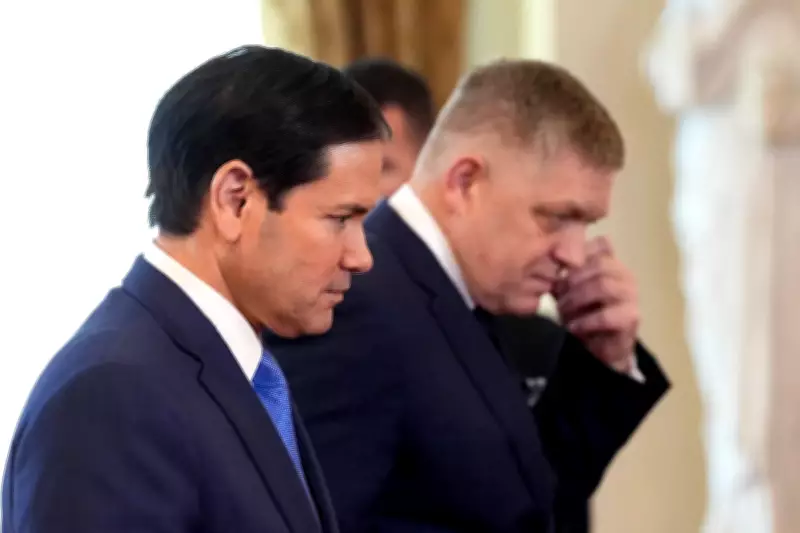
This action follows a high-profile meeting between U.S. Secretary of State Marco Rubio and Slovak Prime Minister Robert Fico in Bratislava on February 15, 2026, where energy security was a central topic. While the joint news conference emphasized cooperation, the subsequent electricity cutoff reveals underlying fissures.

Implications for Ukraine and Regional Stability
Ukraine, already grappling with energy challenges due to ongoing conflicts and winter demands, faces increased vulnerability. The suspension could lead to power shortages, affecting households and industries. Experts warn that this dispute may escalate, potentially impacting broader European energy markets and geopolitical alliances.
"Energy disputes like this are not just about resources; they reflect deeper political tensions," said an analyst from a European think tank. "Slovakia's move signals a hardening stance, which could complicate future negotiations."
Diplomatic and Economic Ramifications
The halt in electricity supplies adds to a series of regional disputes, highlighting the fragility of energy interdependence in Europe. Slovakia's decision may prompt Ukraine to seek alternative energy sources, possibly from neighboring countries or through increased domestic production. However, such shifts require time and investment, leaving Ukraine in a precarious position in the short term.
International observers are closely monitoring the situation, urging dialogue to prevent further escalation. The European Union, which has advocated for energy solidarity among member states and partners, may intervene to mediate the dispute.
Looking Ahead: Potential Resolutions
Resolving this conflict will likely involve high-level diplomatic talks, possibly with EU or U.S. involvement. Key steps could include:
- Revisiting oil delivery agreements to address Slovakia's concerns.
- Establishing emergency protocols to prevent future supply cuts.
- Enhancing regional energy infrastructure to reduce dependency on single sources.
As winter conditions persist, the urgency for a resolution grows. Both nations have incentives to de-escalate, given the mutual benefits of stable energy trade. However, the path forward remains uncertain, with this dispute serving as a reminder of how energy politics can quickly become a flashpoint in international relations.