South Bow Confirms Open Season for New Pipeline to U.S. Using Legacy Keystone XL Permits
South Bow Corp. has officially announced it is in the early stages of gauging customer interest for capacity on a cross-border pipeline that would link Alberta's Hardisty oil terminal to multiple U.S. delivery points, including Oklahoma and the Gulf Coast. The company is calling this proposed project the "Prairie Connector."
Utilizing Existing Infrastructure and Permits
The company confirmed on Friday that it has commenced an open season, which is industry terminology for inviting potential customers to reserve capacity on a proposed project. This initiative leverages existing infrastructure and Canadian federal permits that are believed to have been originally issued for the now-cancelled Keystone XL project.
Bevin Wirzba, president and chief executive of South Bow, stated during an earnings call, "A recent endeavour of ours, the Prairie Connector project, has garnered some attention. While currently in early stages, an open season to determine commercial interest is currently underway."

Wirzba emphasized that the company's permits are already in place in Canada for the Prairie Connector, and they are working closely with the Canadian Energy Regulator to manage the process.
Seeking Binding Commitments
The open season is actively seeking binding commitments for 450,000 barrels per day of long-term firm transportation service from Alberta to various U.S. delivery points. According to a recent note published by RBC Capital Markets, this process has a deadline of March 30.
Following this deadline, South Bow will enter a 60-day period to assess whether sufficient commercial support exists to advance the proposed project further.
Background and Regulatory Context
Wirzba's remarks indirectly confirmed details previously reported by the Financial Post, which indicated that regulatory filings in Montana show a private U.S. company, Bridger Pipeline LLC, plans to build a 550,000-barrel-per-day pipeline starting at the Canada-U.S. border near Phillips County, Montana.
When questioned about Bridger's filing, which suggested the cross-border pipeline would still require a presidential permit, South Bow's CEO declined to comment. Wirzba clarified, "We're only going to talk to our component of a project which is delivering service from Hardisty to the border. There's a lot of things going into the commercial dialog right now, and I'll leave our partners to speak to their own business."
Historical Context of Keystone XL
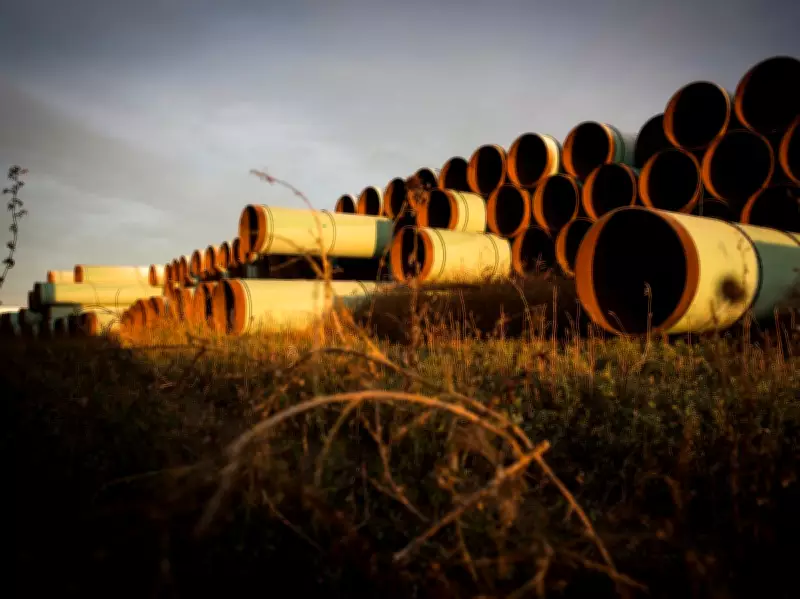
The Keystone XL pipeline was first proposed in 2008 as an expansion of the existing Keystone pipeline system. It was designed to carry up to 830,000 barrels per day of crude from Alberta to Nebraska, where it would connect with pipelines supplying refineries in the U.S. Midwest and along the Gulf Coast.
Over the years, the project became a significant political flashpoint in Washington, with successive administrations alternately approving and revoking the cross-border permit required for the pipeline.
South Bow's new initiative with the Prairie Connector represents a strategic move to utilize the legacy permits and infrastructure from the Keystone XL project, aiming to establish a new route for oil transportation between Canada and the United States.