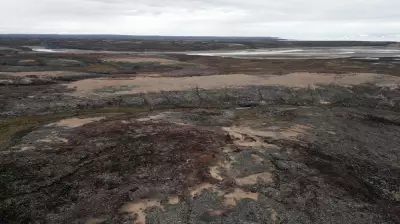
In a significant strategic announcement, Suncor Energy has outlined plans to substantially shift its operational focus toward in situ oil sands production methods by the year 2040. The Calgary-based energy giant revealed this long-term vision as part of its evolving approach to resource extraction and environmental stewardship.
A Calculated Transition in Extraction Methodology
The planned transition represents a fundamental change in how Suncor will access Alberta's vast oil sands resources. In situ extraction involves injecting steam into deep underground reservoirs to heat the thick bitumen, making it fluid enough to pump to the surface. This method contrasts sharply with traditional surface mining operations that require massive excavation of land.
Environmental and Economic Drivers
Industry analysts suggest multiple factors are driving this strategic pivot. Environmental considerations play a crucial role, as in situ methods typically have a smaller surface footprint than mining operations, potentially reducing land disturbance and enabling better reclamation outcomes. Additionally, economic factors including long-term operational efficiency and changing market dynamics appear to be influencing Suncor's planning.

The company's announcement comes amid broader industry discussions about sustainable resource development. "This represents a thoughtful evolution in how we approach resource extraction," noted one energy sector observer. "Suncor appears to be positioning itself for both environmental responsibility and long-term economic viability."
Implementation Timeline and Challenges
The 2040 target date allows for a gradual transition that will require substantial planning and investment. Key considerations include:
- Technological adaptation and innovation in steam-assisted extraction methods
- Workforce retraining and development programs
- Infrastructure modifications across Suncor's operations
- Regulatory approvals and stakeholder consultations
While in situ extraction offers certain environmental advantages over mining, it presents its own challenges, including higher energy requirements for steam generation and careful water management. Suncor will need to address these issues as part of its implementation strategy.
Broader Industry Context
Suncor's announcement occurs within a complex energy landscape where companies are balancing traditional resource development with evolving environmental expectations and market demands. Other major players in Canada's oil sands sector have been exploring various approaches to reduce environmental impacts while maintaining production.
The strategic shift toward in situ methods reflects ongoing innovation within Canada's energy sector as companies seek to optimize extraction techniques for both economic and environmental performance. This transition aligns with broader conversations about responsible resource development and energy transition pathways.
As Suncor moves forward with this strategic vision, stakeholders will be watching closely to see how the company navigates the technical, environmental, and economic dimensions of this significant operational shift. The 2040 timeline provides a substantial window for careful planning and implementation of what represents one of the most substantial strategic redirections in the company's recent history.