Toronto Gas Prices Surge Overnight, Analysts Forecast Further Rises
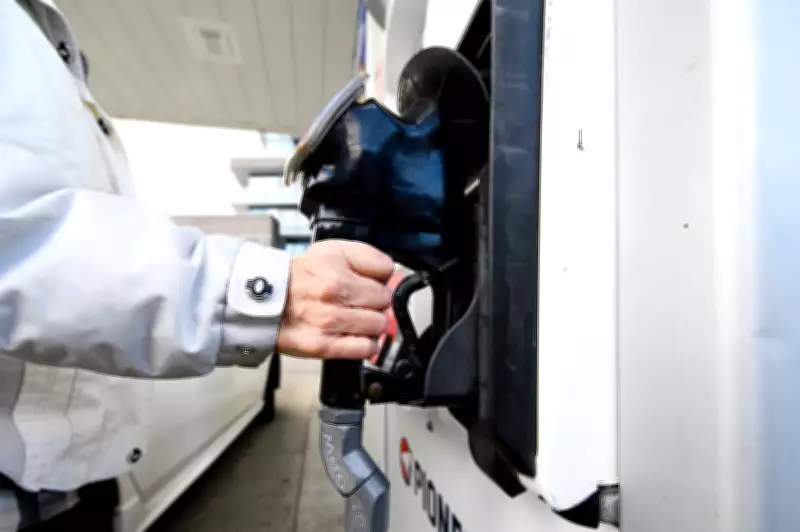
Motorists in Toronto woke up to a significant spike in gasoline prices overnight, with industry analysts predicting that the upward trend is likely to continue in the coming weeks. The sudden increase has caught many drivers by surprise, adding to the ongoing financial pressures faced by households and businesses across the Greater Toronto Area.
According to market observers, the overnight jump reflects broader volatility in global energy markets, compounded by regional supply constraints and seasonal demand fluctuations. This price surge marks one of the sharpest single-day increases recorded in the city this year, prompting concerns about its impact on commuting costs and overall inflation.
Factors Driving the Price Hike
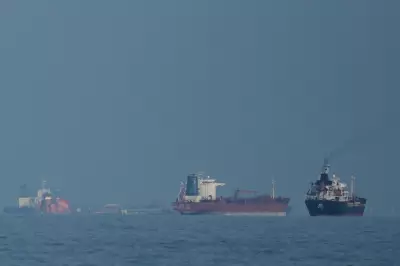
Several key elements are contributing to the rising fuel costs. Global crude oil prices have been climbing steadily, influenced by geopolitical tensions and production adjustments by major oil-exporting nations. Additionally, local factors such as refinery maintenance schedules and transportation logistics are exacerbating the situation, leading to tighter supplies at the pump.

Analysts note that the transition to summer-blend gasoline, which typically occurs in spring, often results in temporary price increases due to higher production costs. However, the current spike appears more pronounced than usual, suggesting underlying market instability.
Expert Predictions and Consumer Impact
Energy market experts are advising consumers to brace for further increases. "We anticipate that gas prices could rise by another 5 to 10 cents per litre over the next month," stated one industry analyst, highlighting the potential for sustained upward pressure. This forecast is based on projections of continued crude oil price strength and anticipated seasonal demand growth as warmer weather approaches.
For Toronto residents, the price hike translates directly into higher expenses for daily commutes and transportation needs. Many are reconsidering their travel plans or exploring alternatives such as public transit, carpooling, or more fuel-efficient vehicles to mitigate the financial burden.
Broader Economic Implications
The surge in gas prices is not just a concern for individual consumers; it also has wider economic ramifications. Increased transportation costs can lead to higher prices for goods and services, as businesses pass on their elevated fuel expenses to customers. This dynamic contributes to inflationary pressures, potentially affecting everything from grocery bills to delivery services.
Moreover, the volatility in energy markets underscores the importance of long-term strategies for energy security and affordability. Policymakers and industry stakeholders are closely monitoring the situation, with discussions likely to focus on measures to stabilize prices and support consumers during periods of market fluctuation.
As Toronto navigates this latest fuel price challenge, drivers are urged to stay informed about market trends and consider proactive steps to manage their fuel consumption. While short-term relief may be limited, understanding the factors at play can help individuals and businesses better prepare for potential future increases.