TotalEnergies Output Declines 15% Amid U.S.-Iran Conflict and UAE Outages
French oil and gas major TotalEnergies has reported a significant 15% reduction in its overall production output, attributing the decline primarily to the ongoing military conflict between the United States and Iran. The company has also officially confirmed experiencing operational disruptions and outages at facilities within the United Arab Emirates, further compounding the production challenges.
Geopolitical Tensions Disrupt Global Energy Flows
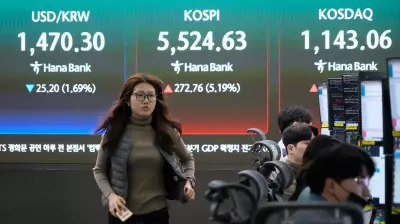
The war between the U.S. and Iran has created substantial instability in key energy-producing regions, directly impacting the operations of international corporations like TotalEnergies. The conflict has led to heightened security risks, logistical complications, and potential supply chain interruptions for crude oil and natural gas. This geopolitical friction is causing ripples across global markets, influencing prices and availability.
The confirmed outages in the UAE represent another critical factor in the production shortfall. While specific details regarding the cause, location, and scale of these UAE-based disruptions were not fully elaborated, their acknowledgment points to a multi-faceted operational crisis. The Middle East remains a cornerstone of global energy supply, and simultaneous issues in Iran-adjacent zones and the UAE significantly strain production capacities.
Market Implications and Corporate Response
A 15% drop in output for a supermajor like TotalEnergies is a substantial event with potential consequences for energy markets. Such a reduction can contribute to tighter global supplies, potentially exerting upward pressure on oil and gas prices during a period of already significant geopolitical uncertainty. Investors and market analysts are closely monitoring how the company navigates this period of forced contraction.
TotalEnergies is likely implementing contingency plans to mitigate the impact, which could include rerouting supply chains, increasing production from other, more stable regions where possible, and engaging in risk management strategies. The situation underscores the vulnerability of integrated energy companies to regional conflicts and operational failures in critical hubs.
The broader energy sector is watching this development closely, as it may signal similar challenges for other firms with assets in the affected regions. The interplay between war, regional instability, and energy infrastructure resilience is now at the forefront of industry concerns.