Trump Administration Moves to Rejoin Offshore Drilling Agencies Post-2010 Gulf Oil Spill
The Trump administration has unveiled plans to rejoin offshore drilling agencies that were separated in the aftermath of the devastating 2010 Gulf of Mexico oil spill. This decision marks a significant policy shift aimed at streamlining regulatory oversight and boosting domestic energy production.
Background and Rationale
Following the Deepwater Horizon disaster, which resulted in one of the worst environmental catastrophes in U.S. history, regulatory agencies overseeing offshore drilling were restructured to enhance safety and accountability. The separation was intended to prevent conflicts of interest and improve oversight mechanisms. However, the current administration argues that this fragmentation has led to bureaucratic inefficiencies and hindered energy development.
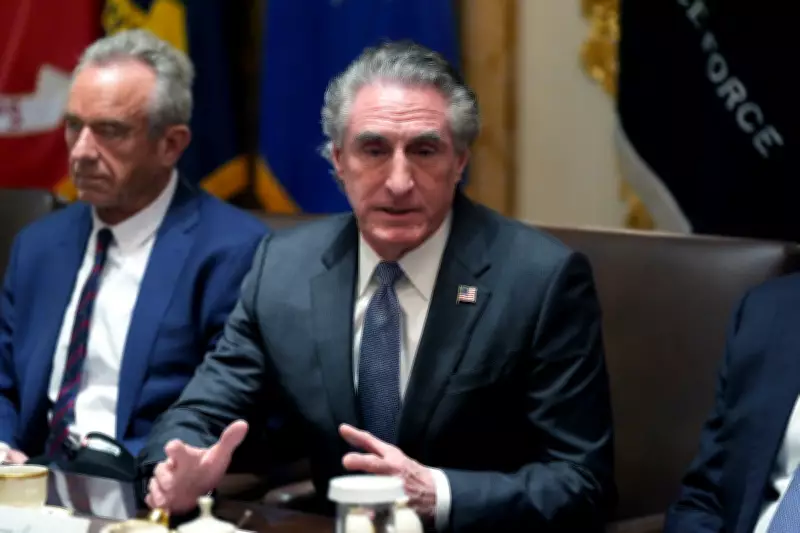
Interior Secretary Doug Burgum, speaking at a recent Cabinet meeting, emphasized the need for a more cohesive approach. "By reintegrating these agencies, we can foster better coordination, reduce red tape, and support our nation's energy independence," Burgum stated. This move is part of a broader strategy to revitalize the U.S. energy sector, which has faced challenges from fluctuating oil prices and regulatory hurdles.

Implications for the Energy Sector
The rejoining of these agencies is expected to have several key impacts:
- Streamlined Permitting: Companies may experience faster approval processes for drilling permits, potentially accelerating offshore projects.
- Enhanced Collaboration: Improved communication between agencies could lead to more effective safety protocols and environmental safeguards.
- Economic Boost: Increased drilling activity might create jobs and stimulate economic growth in coastal regions.
Critics, however, raise concerns about potential risks. Environmental groups warn that reducing regulatory barriers could compromise safety standards, echoing fears of another major spill. "We must learn from past mistakes and prioritize environmental protection over expedited drilling," said a spokesperson from a leading conservation organization.
Political and Public Reaction
The announcement has sparked mixed reactions across the political spectrum. Supporters view it as a pragmatic step to bolster energy security and reduce reliance on foreign oil. Opponents argue it undermines hard-won reforms enacted after the Gulf spill, prioritizing industry interests over public safety.
Public opinion remains divided, with some communities in drilling-dependent areas welcoming the potential economic benefits, while others, particularly in regions affected by previous spills, express apprehension. The administration plans to hold public consultations to address these concerns and ensure transparency in the reintegration process.
Looking Ahead
As the Trump administration moves forward with this initiative, stakeholders from industry, environmental groups, and government agencies will closely monitor its implementation. The success of this policy shift will likely depend on balancing economic objectives with robust environmental protections, a challenge that has defined U.S. energy policy for decades.
This development underscores the ongoing evolution of offshore drilling regulations and highlights the complex interplay between energy production, environmental stewardship, and economic considerations in shaping national policy.