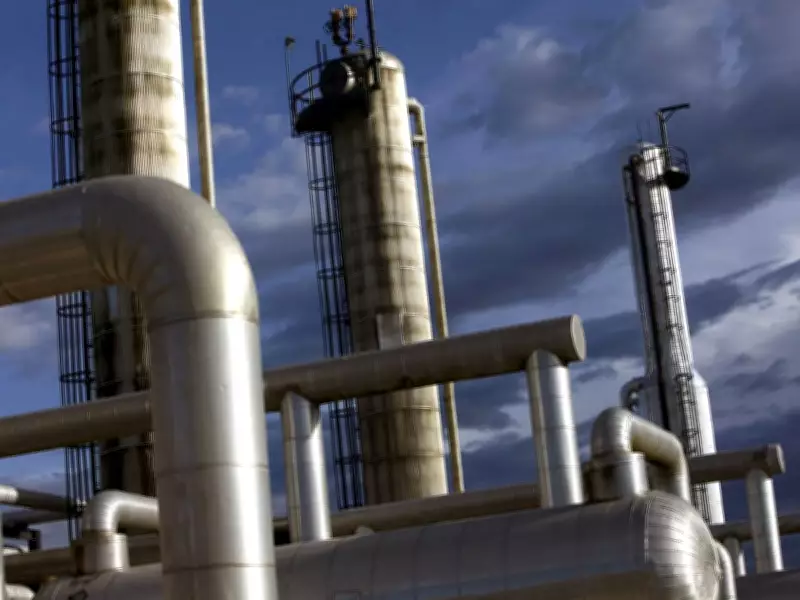
A colossal natural gas facility in Ohio, championed by former United States President Donald Trump and financed by Japan, is poised to become the largest such plant in the United States. With a capacity to power millions of homes, this project highlights ambitious energy infrastructure plans amid soaring construction expenses and growing electricity demand.
Project Details and Scale
Japan is expected to invest a staggering US$33 billion in the venture, led by SoftBank Group Corp. subsidiary SB Energy, according to a U.S. Commerce Department fact sheet. The site near Portsmouth, Ohio, will likely boast a capacity of 9.2 gigawatts, as confirmed by a White House official. This output is equivalent to about nine traditional nuclear reactors and could supply approximately 7.4 million homes on the PJM Interconnection LLC grid, which serves nearly one in five Americans across 13 states from Washington to Chicago.
If constructed, the Ohio facility would surpass the 7.65-gigawatt gas project planned by Pacifico Energy Group in Texas and rank among the world's largest, trailing only Dubai's Jebel Ali facility at almost 9.55 gigawatts.

Rising Costs and Economic Context
The Trump administration aims to accelerate the development of major power plants to address skyrocketing electricity bills, driven by increased demand from data centers, factories, and broader electrification trends. However, gas plants face significant hurdles, including surging global turbine costs and extended lead times.
Construction costs for large gas plants have more than doubled or even tripled in recent years. Once around US$1,000 per kilowatt, prices now exceed US$3,500 per kilowatt, with the Ohio project estimated at roughly US$3,587 per kilowatt based on its US$33 billion price tag. This investment would cover infrastructure like grid interconnection, transmission lines, and substations, according to Moses Sutton, head of U.S. clean energy and power research at BNP Paribas SA, who noted it could be a decade-long endeavor.
Challenges and Funding Concerns
Key uncertainties surround the project, dubbed the Portsmouth Powered Land Project by the White House. It remains unclear when it will come online or how developers plan to navigate years of supply-chain bottlenecks and permitting hurdles before connecting to the regional grid. Additionally, funding is a critical issue, as consumers typically bear the cost of new power plants, and many households already struggle with rising electricity bills.
One potential solution to shield residential consumers is to allocate construction costs to data-center developers, an approach PJM is exploring. Japanese companies, including SoftBank, Toshiba Corp., and Hitachi Ltd., have expressed interest in participating, building on their existing role as major foreign investors in U.S. power infrastructure, as highlighted by Trade Minister Ryosei Akazawa.
This project underscores the complex interplay of energy policy, international investment, and economic pressures in shaping America's power landscape.