Trump's Iran Strikes Create Major Risks for Global Oil Supply
U.S. President Donald Trump's decision to launch military strikes against Iran has introduced substantial new dangers for a significant portion of the world's oil supply. The Islamic Republic itself produces more than 3 million barrels of crude daily, representing approximately three percent of global output and making it the fourth-largest producer within OPEC. However, Iran's influence over global energy markets extends far beyond its own production due to its critical strategic location.
The Critical Chokepoint: Strait of Hormuz
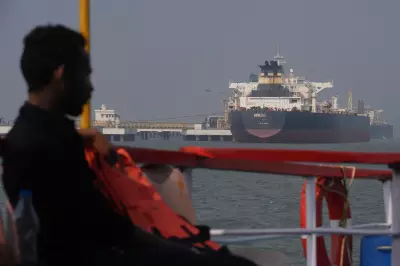
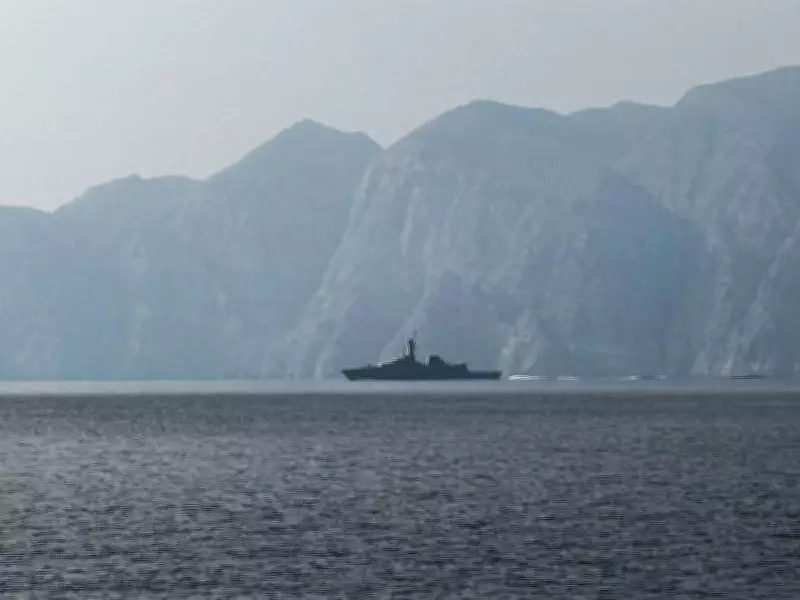
Iran occupies one side of the Strait of Hormuz, the vital shipping channel through which approximately one-fifth of the world's crude oil passes from key suppliers including Saudi Arabia and Iraq. Following the regional attacks that began on Saturday, traffic through this crucial waterway has declined sharply, with reports indicating that three ships have been targeted near the mouth of the Persian Gulf.
On Saturday, vessels reported hearing a radio broadcast purportedly from the Iranian navy announcing a ban on transit through the Strait of Hormuz. While Iranian Foreign Minister Abbas Araghchi stated on Sunday that his country had no intention of closing the vital shipping route, clear indications suggest that tankers are avoiding the area. Iran has long maintained that it possesses the capability to completely close Hormuz, though this extreme measure has never been implemented previously and would represent a nightmare scenario for global energy markets.

Regional Dangers and Global Implications
The Strait of Hormuz serves as the primary chokepoint for the majority of Persian Gulf crude exports, along with refined petroleum products such as diesel and jet fuel. Additionally, Qatar, one of the world's largest liquefied natural gas exporters, depends entirely on this waterway for its LNG shipments. Current ship-tracking data reveals that LNG trade through the strait has essentially halted completely.
Here are the key pressure points to monitor as events continue to unfold in the region:
Alternative Routes Out of the Persian Gulf
Certain OPEC members possess limited capabilities to reroute their oil exports through pipelines that bypass the Strait of Hormuz entirely. Saudi Arabia can divert some shipments using its 1,200-kilometer East-West Pipeline, which transports crude across the kingdom to a terminal on the Red Sea where vessels can load the oil for onward transportation. This pipeline has the capacity to carry up to five million barrels of crude daily.
The United Arab Emirates maintains more limited bypass capacity through its Habshan-Fujairah pipeline, which runs from oilfields to a port along the Gulf of Oman. This infrastructure can move approximately 1.5 million barrels of crude each day. Meanwhile, Iraq, OPEC's second-largest producer, operates a pipeline through Turkey to the Mediterranean coast, but this only accommodates oil from northern fields. Consequently, nearly all Iraqi crude exports must travel by sea from the port of Basra, requiring passage through the vulnerable Strait of Hormuz.
The ongoing military actions and resulting tensions have created unprecedented uncertainty for global energy markets, with the potential for significant disruption to oil supplies that could impact economies worldwide. The strategic importance of the Strait of Hormuz cannot be overstated, and any sustained interruption to shipping through this narrow passage would have immediate and severe consequences for energy prices and global trade patterns.