Trump Administration Defends Temporary Russian Oil Sanctions Waiver
WASHINGTON, March 8 (Reuters) – Senior Trump administration officials on Sunday defended a decision to temporarily lift certain sanctions on Russian oil, asserting that the sharp increase in gasoline prices triggered by the ongoing Iran war would likely subside within a matter of weeks. Energy Secretary Chris Wright and U.S. Ambassador to the United Nations Mike Waltz appeared across multiple television talk shows to explain the rationale behind a waiver issued last week, which permits Indian purchases of Russian oil to alleviate pressure on the global energy market.
Officials Address Market Concerns and Price Spikes
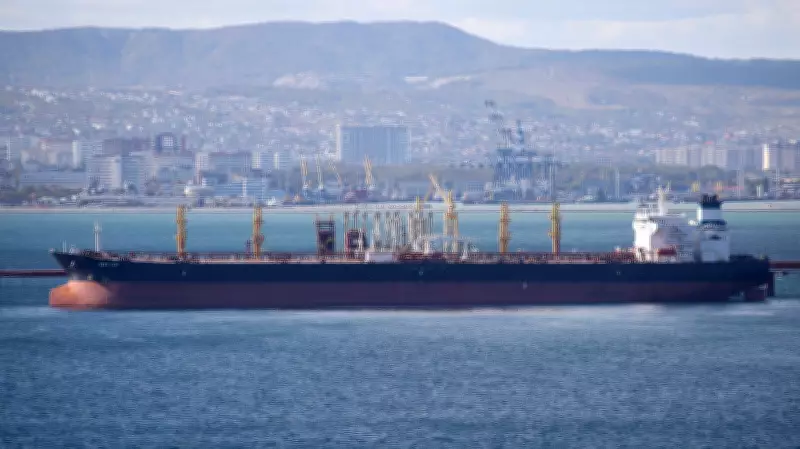
Ambassador Waltz, speaking on NBC's Meet the Press, described the waiver as a 30-day pause designed to facilitate the movement of millions of barrels of oil currently stranded on ships to Indian refineries. It’s a 30-day pause to allow, which is just kind of common sense, to allow the millions and millions of barrels of oil that are sitting out on ships to go to Indian refineries, Waltz stated. Meanwhile, Energy Secretary Wright emphasized on CNN's State of the Union that this measure could help tamp this fear of shortage of oil, tamp the price spikes and the concerns we see in the marketplace.
As the Iran war enters its second week with no clear resolution in sight, American consumers are grappling with significantly higher prices at the pump. This development introduces a new complicating factor for the U.S. economy, which unexpectedly lost 92,000 jobs in February. According to data from the motorists group AAA, the national average price for regular gasoline reached $3.32 per gallon as of Friday, marking an strong>11% increase from the previous week and the highest level since September 2024. Diesel prices surged even more dramatically, hitting $4.33 per gallon, a 15% rise from a week ago and the highest since November 2023.

Political Reactions and Market Volatility
In a Truth Social post on Sunday night, President Donald Trump framed the situation as a necessary trade-off for global security. Short term oil prices, which will drop rapidly when the destruction of the Iran nuclear threat is over, is a very small price to pay for U.S.A., and World, Safety and Peace, Trump wrote. ONLY FOOLS WOULD THINK DIFFERENTLY! Earlier that day, Energy Secretary Wright reiterated that there is no actual shortage of oil or natural gas, attributing the price increases to fear and perception that the Iran operation might become prolonged. But it won’t be, Wright asserted on Fox News Sunday, echoing Trump's prediction that the conflict would last weeks rather than months.
The market responded with heightened volatility, as U.S. crude futures surged more than 20% in early Asian trading on Monday, reaching their highest point since July 2022. This spike was driven by fears of tighter supply and prolonged disruptions to shipments through the Strait of Hormuz due to the expanding war. In response, Senate Minority Leader Chuck Schumer, a New York Democrat, called on Trump to release oil from the Strategic Petroleum Reserve (SPR), which currently holds approximately 415 million barrels—more than the entire world consumes in four days. Trump should release oil from the SPR now to stabilize markets, bring prices down, and stop the price shock that American families are already feeling thanks to his reckless war, Schumer stated in a late Sunday announcement. The Energy Department did not immediately respond to requests for comment, and Trump had previously told Reuters on Thursday that he was not considering tapping the strategic reserve.

Criticism and Electoral Implications
Senator John Kennedy, a Louisiana Republican, directed criticism toward energy speculators during an appearance on Fox News Sunday. The oil prices have gone up because you’ve got a bunch of oil traders out there in their Gucci loafers, with their caramel Frappuccinos who are bidding up the price, Kennedy remarked. Political analysts have noted that a persistent rise in gasoline prices could adversely affect Republican prospects in the upcoming November midterm elections, where control of the U.S. Congress is at stake. A Reuters/Ipsos poll conducted last month revealed that most respondents rejected Trump's characterization of the economy as booming, highlighting potential vulnerabilities for the administration.
(Reporting by Katharine Jackson and Timothy Gardner in Washington, Curtis Williams in Houston, and Diana Jones in Chicago; Writing by Steve Holland; Editing by Matthew Lewis, Sergio Non, and Lincoln Feast.)