Trump Addresses Gas Price Volatility Amid Escalating Iran Conflict
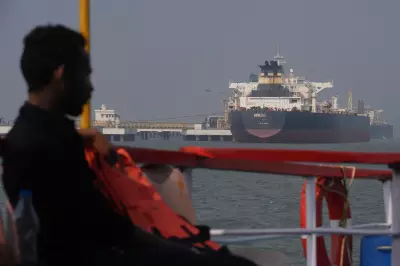
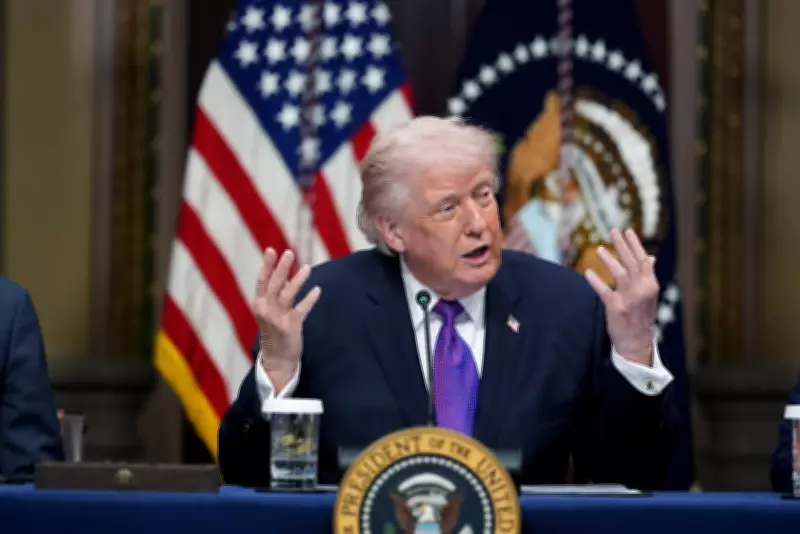
Former U.S. President Donald Trump has offered a characteristically blunt assessment of potential gasoline price increases resulting from military operations in Iran, stating simply, "If they rise, they rise." The remarks were delivered during an event concerning the Ratepayer Protection Pledge at the White House complex in Washington on March 4, 2026. His comments arrive as a spreading regional conflict sees more commercial tankers come under attack, threatening global oil supply chains and market stability.
Market Reactions and Broader Economic Context
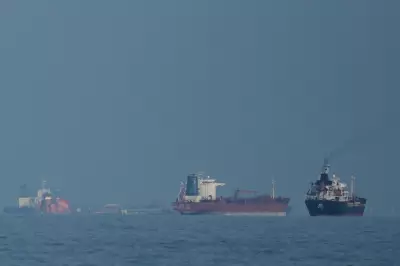
Trump's laissez-faire stance on fuel costs underscores a broader economic philosophy of accepting market-driven fluctuations. This perspective is being tested as hostilities between the U.S. and Iran intensify, directly impacting energy logistics. Reports confirm that multiple tankers have been targeted in recent operations, exacerbating fears of supply disruptions. Analysts warn that sustained conflict could trigger significant spikes at pumps worldwide, affecting consumer budgets and inflationary pressures.
Meanwhile, the geopolitical landscape grows increasingly complex. More than twenty American states have initiated lawsuits challenging new global tariffs imposed by the Trump administration following a Supreme Court defeat. These trade tensions, coupled with the Middle East crisis, create a volatile backdrop for international commerce and energy security.

Political and Policy Repercussions
The former president's comments have ignited debate among policymakers. In Canada, Conservative voices are urging parliamentary votes on any potential military involvement in Iran, accusing officials of inconsistency. Concurrently, U.S. domestic discussions continue regarding the economic fallout of foreign engagements. Trump's approach reflects a prioritization of strategic objectives over immediate consumer cost concerns, a stance that will likely influence both current policy debates and the upcoming electoral cycle.
As the situation develops, industry observers are closely monitoring oil futures and shipping routes for signs of prolonged instability. The interconnected nature of global energy markets means that events in the Middle East can swiftly translate into price changes for consumers across North America and beyond.