Shares of major American oil corporations experienced a notable uptick in early trading on Monday, January 5, 2026. The surge followed clear signals from former U.S. President Donald Trump regarding a potential policy shift that would grant American energy firms access to Venezuela's significant petroleum reserves.
A Strategic Shift in Energy Policy
The development marks a potential reversal of long-standing sanctions and restrictions that have largely barred U.S. companies from operating in Venezuela's oil sector. Analysts point to the immense resource base held by the South American nation, which possesses the world's largest proven oil reserves. For years, these assets have been largely untapped by Western firms due to complex geopolitical tensions and economic sanctions aimed at the government of Nicolas Maduro.
The immediate market reaction underscores the high stakes involved. Investors interpreted Trump's comments as a direct pathway for U.S. oil majors to potentially recover billions of dollars in debts owed by Venezuela's state-owned oil company, PDVSA. Furthermore, it opens the door for massive new investments in the country's dilapidated energy infrastructure, which has suffered from years of underinvestment and mismanagement.

Geopolitical and Market Repercussions
This potential policy move does not occur in a vacuum. It coincides with a period of significant global energy realignment and follows recent dramatic events in Venezuela, including the capture of President Maduro. The U.S. administration is reportedly pushing oil majors to commit to substantial investments in Venezuela as a condition for recovering the debts owed to them, creating a complex quid-pro-quo scenario.
The implications extend beyond Wall Street. Access to Venezuelan crude could alter global supply chains, potentially impacting oil prices and the strategic calculations of other major producers, including Canada. For Canadian energy observers, the news highlights the ever-shifting competitive landscape for global market share. While the direct effect on Canadian oil sands producers may be muted in the short term, any significant increase in heavy crude supply from Venezuela could influence long-term pricing dynamics.
What Comes Next for the Energy Sector?
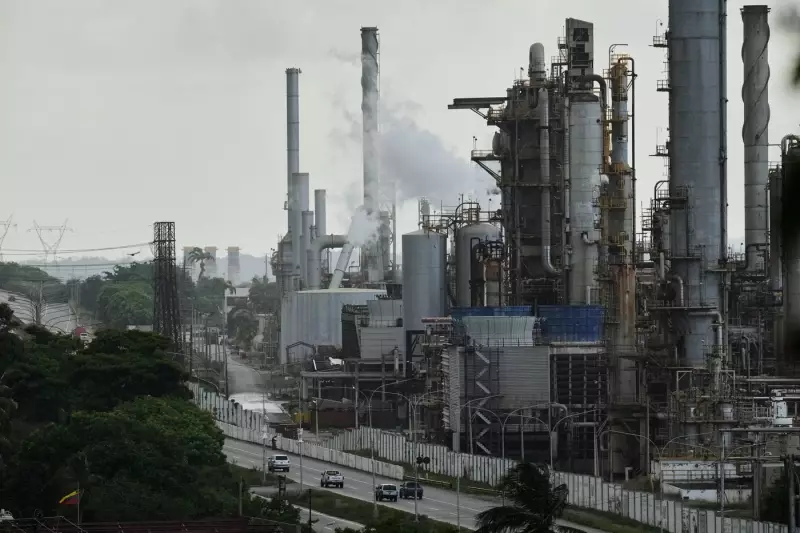
While the market's initial response has been positive, numerous hurdles remain. Any operational move into Venezuela would require navigating a fragile political environment, significant legal frameworks, and major infrastructure challenges. The El Palito refinery, pictured in recent reports, symbolizes both the potential and the decay within the country's energy system.
The situation also raises questions about broader foreign policy, including the U.S. stance on other nations like India regarding Russian oil purchases, as mentioned in related reports. For now, the signal from Trump has injected a new variable into the energy investment equation, prompting companies and analysts to recalibrate their strategies for 2026 and beyond. The coming weeks will be critical in determining whether this political signal translates into tangible corporate action and a new chapter for Venezuela's oil-rich but troubled economy.