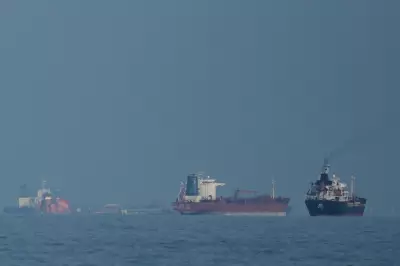
In a significant development that has sent shockwaves through global energy markets and diplomatic circles, former U.S. President Donald Trump announced on January 6, 2026, that the United States is set to acquire between 30 million and 50 million barrels of oil from Venezuela at market price. The announcement comes amidst heightened tensions following a dramatic U.S. military operation that resulted in the seizure of the country and the arrest of its leader, Nicolás Maduro.
A Bold Move for Energy Control
The statement, delivered on the evening of January 6, frames the massive oil acquisition as a strategic economic move. Trump emphasized that the transaction would be conducted at prevailing market rates, suggesting a formal commercial agreement rather than a seizure of assets. However, this announcement is deeply intertwined with the recent, unprecedented U.S. military action in Venezuela, which Trump has described as giving America "total control" of the nation.
Security experts have been quick to analyze the underlying motives. One analyst stated bluntly to CTV News, "This is 100 per cent about control of the oil for the United States." The move appears to be a direct play to secure a significant portion of Venezuela's vast petroleum reserves, which are the largest in the world.

Geopolitical Fallout and Legal Challenges
The situation on the ground remains volatile. Nicolás Maduro, now in U.S. custody, has declared himself a "prisoner of war," while his regime's remnants continue to pose challenges to political stability. The U.S. government faces what one lawyer called a "daunting task" to legally prove Maduro's guilt in a court of law.
Furthermore, the action has drawn criticism for potentially undermining its own legitimacy. Former U.S. National Security Advisor John Bolton noted that Trump is "undercutting" the effort by dismissing Venezuelan opposition leaders, complicating the political narrative. The global reaction includes significant fallout, with Cuba releasing details of 32 officers killed in the U.S. strike that preceded the seizure.
Implications for Canada's Energy Sector
Canadian observers are watching these events closely, with clear concerns for the domestic oil industry. A segment of CTV National News was dedicated to exploring how U.S. moves on Venezuelan oil raise concerns for Canada. The potential for a regime change and the influx of Venezuelan oil onto the market could alter global supply dynamics, impacting Canadian oil sands competitiveness.
In reaction, notable Canadian figures have begun to propose strategic shifts. B.C. Premier David Eby commented that in light of the Venezuela attack, Canada should focus on building refineries, not pipelines, to add more value domestically. This sentiment echoes a broader debate about Canada's energy future in a suddenly changed geopolitical landscape. Former Bank of Canada Governor Mark Carney offered a contrasting view, suggesting that Canadian oil will remain competitive following Maduro's ouster.
Broader Market and Political Context
The announcement has coincided with stock markets in both Canada and the U.S. reaching new highs, as investors continue to focus on the unfolding situation in Venezuela. The event marks one of the most assertive foreign policy actions in recent memory, described by former CIA Director David Petraeus as an "extraordinarily impressive display of American military power."
As the world grapples with the consequences of this bold power play, the primary objectives appear clear: securing a vital energy resource and exerting hemispheric dominance. The coming weeks will be critical in determining the long-term stability of Venezuela and the realignment of global oil trade, with Canada's industry poised to feel the ripple effects.