In a stark contrast of political and economic tempo, former U.S. President Donald Trump's ambitious pledge to revitalize Venezuela's crippled oil sector within 18 months is casting a harsh light on Canada's notoriously slow energy project approval process. The potential for rapid American action is raising urgent questions about the competitiveness and future of Canada's own oil industry, which remains hampered by bureaucratic delays.
A Tale of Two Timelines: Speed vs. Consultation
The core of the issue lies in the dramatically different timelines being proposed. Speaking in an exclusive interview with NBC, Donald Trump asserted that Venezuela's oil industry could be "booming again" in less than 18 months, dismissing analyst predictions of a five to ten-year rebuild. Trump plans to meet with oil executives to strategize, suggesting companies would front the "tremendous amount of money" needed, with reimbursement coming later.
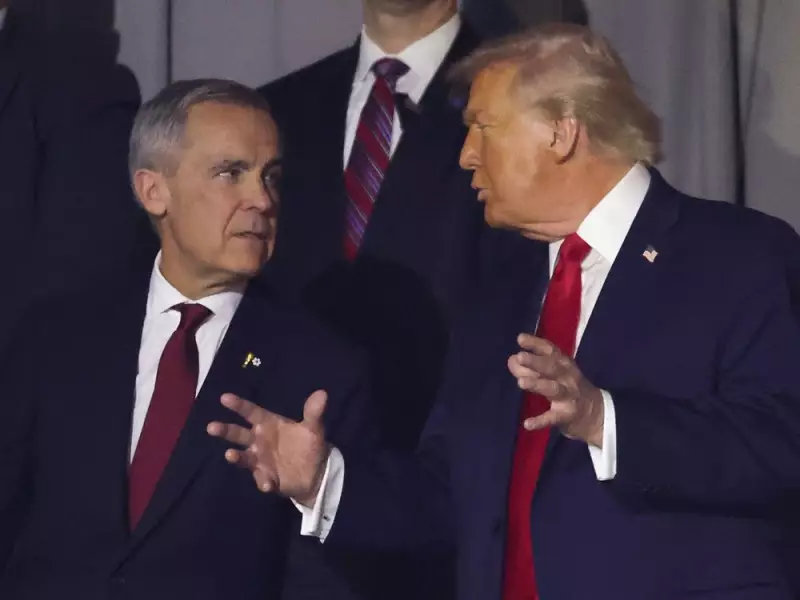
Meanwhile, in Canada, the process for a new crucial pipeline to the Pacific Coast remains mired in procedure. An agreement between Prime Minister Mark Carney and Alberta Premier Danielle Smith only promises to refer such a project to the federal Major Projects Office (MPO) by July 1, 2026. Carney himself has cautioned that referral is not approval, noting the MPO's review alone could take six months to a year, to be followed by Indigenous consultations and inevitable court challenges.

Canadian Leaders Sound the Alarm on Urgency
The prospect of a swiftly rejuvenated Venezuelan oil competitor has prompted forceful calls for action from Canadian conservative leaders. Federal Conservative Leader Pierre Poilievre released an open letter to Prime Minister Carney, demanding immediate approval for a pipeline to the Pacific Coast to diversify Canada's export markets beyond the United States.
Echoing this sentiment, Alberta Premier Danielle Smith took to social media, stating that events surrounding Venezuelan leader Nicolas Maduro "emphasize the importance that we expedite the development of pipelines." Both leaders argue that reducing reliance on the U.S. market is a pressing economic and strategic necessity.
Carney's Cautious Stance Amidst Growing Pressure
When questioned by reporters in Paris about the need for urgency, Prime Minister Mark Carney maintained a characteristically measured stance. He emphasized the competitive strengths of Canadian oil, describing it as "low risk, low cost, and low carbon." However, critics argue the primary risk to Canadian projects is not geopolitical instability, as in Venezuela, but domestic uncertainty caused by regulatory red tape, protests, and legal battles.
This institutional inertia is not new. The previous Liberal government under Justin Trudeau was forced to purchase the Trans Mountain pipeline because the private company was preparing to abandon the project due to endless delays. While Carney's government promises a new, faster approach, concrete results have yet to materialize.
The immediate threat may not be Venezuelan oil directly displacing Canadian barrels on the global market. Instead, analysts warn that Venezuela could absorb the finite global capital investment dollars required for energy infrastructure development—capital that Canada desperately needs to remain competitive. As the United States talks of breakneck pace, Canada's "Ottawa speed" risks leaving the country's vital energy sector in a precarious position, underscoring a critical need for the speed and urgency its political opponents are demanding.