U.S. Energy Secretary Asserts Temporary Market Impact from Iran Conflict
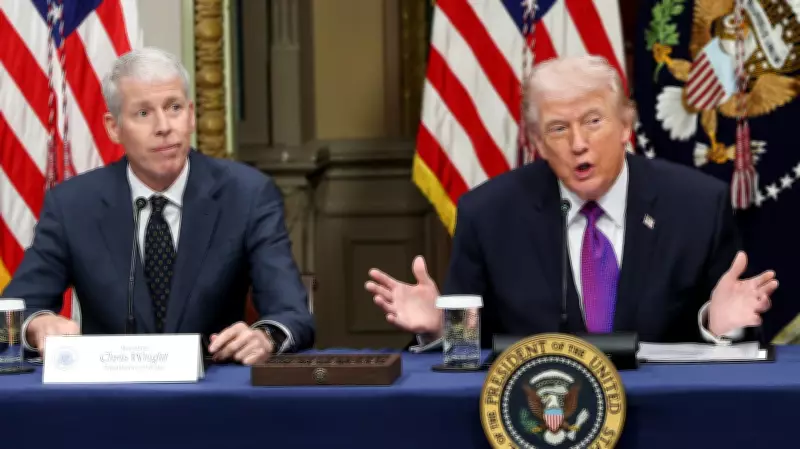
In a recent interview with Fox News, U.S. Energy Secretary Chris Wright emphasized that the effects of the ongoing Iran conflict on global energy markets are expected to be short-lived. He described the current disruptions as a small price to pay in support of U.S. military objectives, which include disarming the Iranian regime.
Regional Tensions and Shipping Disruptions
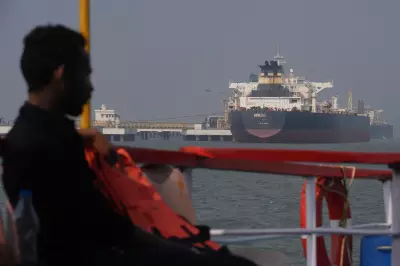
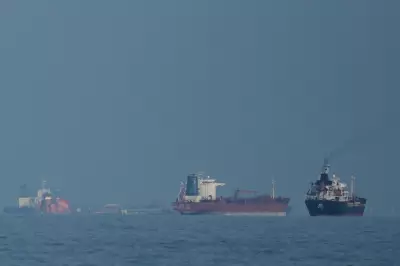
The conflict, involving U.S. and Israeli strikes on Iran and subsequent responses from Tehran, has significantly heightened regional tensions. A key consequence has been the paralysis of shipping through the Strait of Hormuz, a critical waterway that handles approximately one-fifth of the world's daily oil consumption. This disruption has led to increased energy prices, with oil costs rising notably in Asian markets due to concerns over the prolonged closure of the strait.
Abundant Supply and U.S. Production
Secretary Wright highlighted that the global oil market remains massively well-supplied, with abundant resources worldwide and record-high American production. He expressed confidence that the situation would be manageable, stating, We'll get through this, it'll be a bump on the road. This perspective underscores the U.S. position that domestic energy output can help buffer against international shocks.

U.S. Military and Naval Response
In response to the crisis, U.S. President Donald Trump has pledged to provide insurance and naval escorts for ships exporting energy from the region to mitigate soaring costs. Wright confirmed that the U.S. Navy plans to escort oil tankers through the Strait of Hormuz as soon as possible, though current military focus is on disarming the Iranian regime. When asked about commercial vessel requests for assistance, Wright noted that the navy is prioritizing other strategic operations.
Economic Implications and Future Outlook
The conflict's escalation, including the killing of Supreme Leader Ayatollah Ali Khamenei, whom Trump accused of developing nuclear weapons, is likely to increase uncertainty for the U.S. economy. While the U.S. is somewhat insulated from energy shocks due to its robust domestic production, global impacts on trade, prices, and investment could undermine the previously bullish economic outlook for 2026. Wright acknowledged potential transient increases in gasoline prices but reiterated that this is a minor cost compared to the goal of neutralizing a regime he claims has caused significant American casualties.
Overall, the administration views the market disruptions as a temporary challenge, with long-term strategic benefits outweighing the immediate economic effects.