U.S. Extends Russian Oil Sanctions Waiver to Mitigate Iran War Shortages
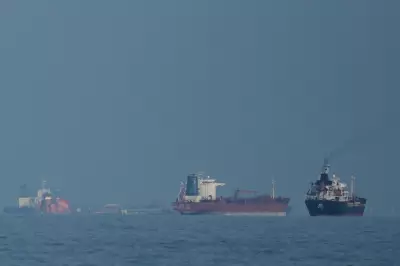
In a significant move to address global energy disruptions, the United States has extended a waiver on sanctions targeting Russian oil exports. This decision is primarily aimed at easing shortages stemming from the ongoing conflict in Iran, which has severely impacted oil supplies worldwide. The extension comes despite public denials from Treasury Secretary Scott Bessent, who has previously downplayed the necessity of such measures.
Background and Rationale for the Waiver Extension
The Iran war has led to substantial disruptions in oil production and distribution, creating a ripple effect across international markets. With traditional supply chains compromised, the U.S. government has opted to maintain the waiver on Russian oil sanctions as a temporary solution to prevent further economic instability. This waiver allows for continued imports of Russian oil under specific conditions, helping to bridge the gap caused by reduced output from Iran and other affected regions.
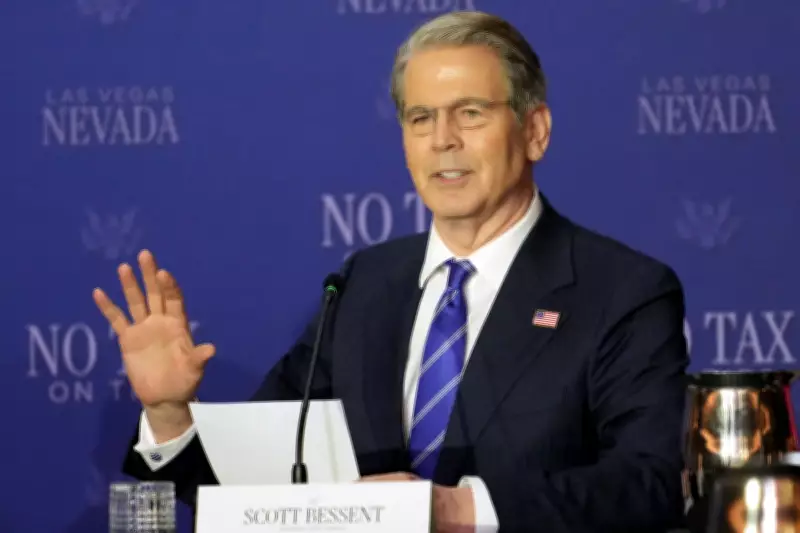
Scott Bessent, the U.S. Treasury Secretary, has publicly denied that the waiver extension is directly linked to the Iran war shortages. In recent statements, Bessent emphasized that the decision is part of broader strategic efforts to maintain energy security and market equilibrium. However, analysts suggest that the timing and context strongly indicate a correlation with the conflict-driven supply constraints.

Implications for Global Energy Markets
The extension of the waiver is expected to have several key impacts on global energy dynamics:
- Stabilization of Oil Prices: By allowing increased access to Russian oil, the move may help stabilize volatile oil prices that have surged due to the Iran war.
- Reduction in Supply Shortages: It aims to alleviate immediate shortages in regions heavily reliant on Iranian oil, particularly in Europe and Asia.
- Geopolitical Considerations: The decision reflects ongoing diplomatic balancing acts, as the U.S. navigates sanctions policies while addressing urgent economic needs.
Despite Bessent's denials, many experts argue that the waiver is a pragmatic response to the realities of the Iran conflict. The war has not only disrupted oil flows but also heightened geopolitical tensions, making energy security a top priority for the Biden administration.
Future Outlook and Policy Debates
Looking ahead, the waiver extension is likely to spark further debate within U.S. political circles. Critics may view it as a softening of sanctions against Russia, while supporters see it as a necessary step to prevent broader economic fallout. The situation underscores the complex interplay between foreign policy, energy economics, and global conflict management.
As the Iran war continues, monitoring how this waiver affects long-term energy strategies will be crucial. The U.S. may need to reassess its approach based on evolving market conditions and diplomatic developments.