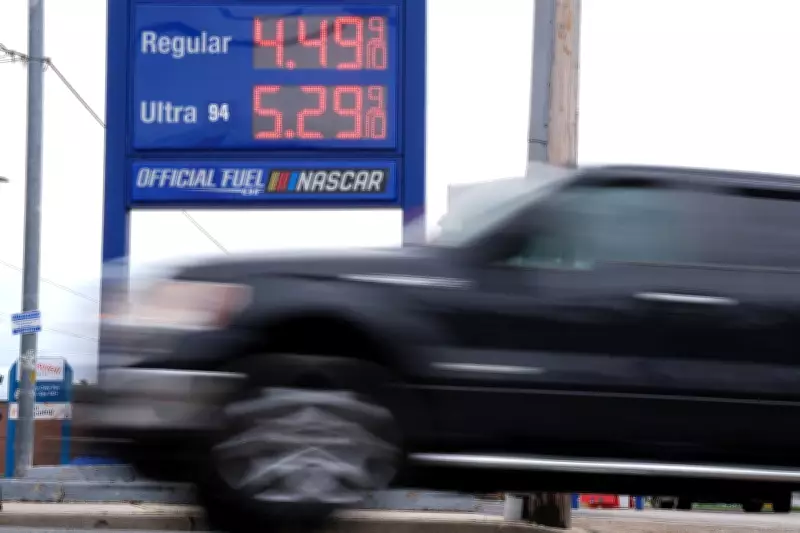
U.S. Gasoline Prices Exceed $4 Per Gallon, Marking a Significant Milestone
In a development that is putting pressure on American households and businesses, the average price for a gallon of regular gasoline in the United States has surged past the $4 threshold. This price point represents the highest national average seen since the year 2022, signaling a notable shift in energy costs that could have widespread economic repercussions.
Consumer Impact and Economic Context
The climb above $4 per gallon comes at a time when consumers are already navigating a complex economic landscape. Higher fuel costs directly increase expenses for commuting, transportation of goods, and travel, potentially contributing to broader inflationary pressures. This price surge is being closely monitored by economists and policymakers who assess its impact on disposable income and overall economic growth.
Market analysts point to a confluence of factors driving this increase. Fluctuations in global oil markets, geopolitical tensions affecting supply chains, and seasonal demand variations are all contributing to the upward pressure on prices at the pump. The benchmark for oil recently topped $100 per barrel, further exacerbating the situation for refiners and distributors.

Historical Perspective and Future Outlook
While the current prices are the highest in several years, they remain below the record peaks witnessed in previous decades. However, the rapid ascent to over $4 per gallon has captured public attention and sparked concerns about sustained high costs. The energy sector is responding to these market conditions, with implications for related industries and investment strategies.
The trajectory of gas prices will likely depend on several variables in the coming months. These include decisions by major oil-producing nations, the pace of economic activity, and potential policy interventions aimed at stabilizing energy markets. Consumers and businesses are advised to budget accordingly for the possibility of continued elevated fuel expenses.
This development underscores the interconnected nature of global energy markets and their direct effect on everyday life. As prices at the pump rise, the conversation around energy affordability and alternative transportation solutions gains renewed urgency across the United States.