Port of Vancouver Commences Environmental Review Process for Second Narrows Dredging Initiative
The Port of Vancouver has officially initiated the first phase of an environmental review process for a significant harbour dredging project at Second Narrows. This development marks a critical step toward potentially increasing oil shipments from the Trans Mountain pipeline's Westridge Marine Terminal located in Burnaby, British Columbia.
Project Details and Objectives
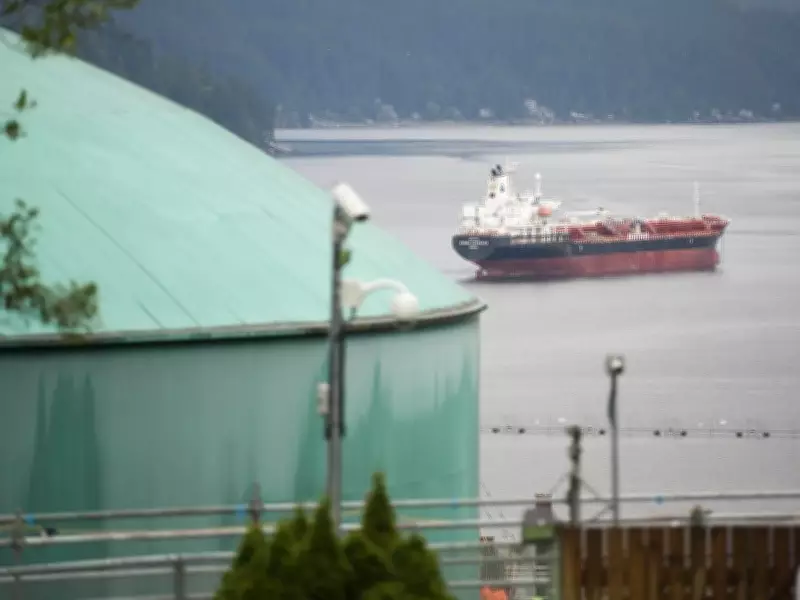
The proposed dredging operation targets the edges of the shipping channel situated just east of the Iron Workers Memorial Bridge. The primary goal is to remove underwater peaks from the sea bottom that currently restrict oil tankers accessing the Westridge terminal from loading to their full capacity. According to the port authority, this would involve disturbing approximately 25,000 cubic metres of material across an area smaller than two hectares, equivalent to about three soccer fields.
Charlotte Olson, the port authority's acting vice-president of infrastructure, emphasized in a statement that the project aims "to boost trade capacity at the Port of Vancouver in support of national exports to overseas markets." She added that dredging and associated works could potentially commence later this year, pending regulatory approvals.

Timeline and Regulatory Framework
The Vancouver Fraser Port Authority has opened a public comment period as part of the environmental review process conducted in collaboration with the Impact Assessment Agency. This assessment will determine whether the dredging activities are likely to cause significant adverse environmental effects. The projected timeline anticipates the review continuing through 2026, with completion of the dredging work targeted for 2027 or 2028 at the latest.
Political Support and Opposition
The project has garnered support from Prime Minister Mark Carney, who views it as integral to diversifying Canadian trade. British Columbia Premier David Eby has also expressed begrudging support, considering the expansion of the pipeline's existing capacity as a preferable alternative to constructing a new bitumen pipeline to B.C.'s North Coast.
However, the initiative faces substantial opposition from the Tsleil-Waututh First Nation, which holds constitutionally protected title and rights in the area. Former chief Jen Thomas, in a statement from earlier in 2025, reiterated the nation's "sacred, legal obligation to protect, defend and steward our inlet" and cautioned against assumptions that the project has been pre-approved. The Tsleil-Waututh Nation continues to disapprove of the expanded Trans Mountain pipeline facilities, which would be the primary beneficiaries of the deepened channel.
Environmental and Community Concerns
The dredging project raises significant environmental concerns, particularly regarding potential impacts on marine ecosystems and water quality in the Burrard Inlet. The public comment period allows for community input and scrutiny of these ecological risks. The port authority must navigate these concerns alongside Indigenous rights issues to secure necessary approvals.
This development underscores the ongoing tensions between economic development objectives and environmental stewardship in British Columbia's coastal regions. As the review process unfolds, stakeholders will closely monitor how these competing interests are balanced in one of Canada's most strategically important maritime gateways.