The recent political and economic intervention by the United States in Venezuela serves as a stark warning for Alberta, underscoring the profound risks of the province's heavy reliance on volatile energy revenues, according to financial analysts.
Geopolitical Shift Poses Direct Threat to Alberta Exports
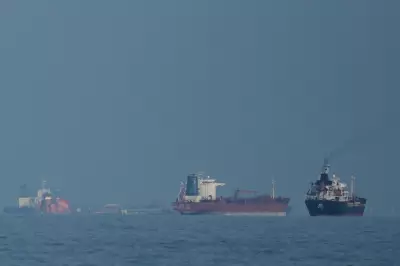
The U.S. move to remove President Nicolas Maduro and plans to rebuild Venezuela's crumbling energy infrastructure could have significant repercussions for Alberta's finances. A report from Servus Credit Union's economics division highlights the tangible danger: approximately 10% of Canada's total oil exports, or 350,000 barrels per day, is vulnerable to being replaced by Venezuelan crude in the short term.
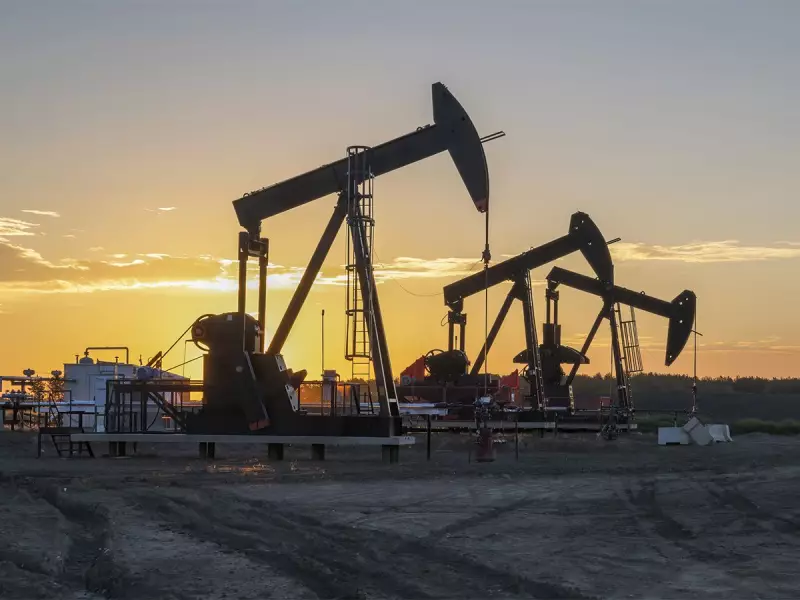
While the national economic impact might be contained, the effect on Alberta could be severe, potentially shaving about three per cent off the province's GDP. An influx of Venezuelan oil could suppress global prices, discouraging investment in new Canadian projects and worsening Alberta's existing fiscal challenges.

A $750 Million Fiscal Blow on the Horizon
Projecting a short-term effect by the 2027-28 fiscal year, analyst Lennie Kaplan estimates a specific scenario: if 200,000 barrels per day of Alberta oilsands exports to the U.S. Gulf Coast were displaced by Venezuelan heavy oil, the provincial government would face an annual revenue loss of roughly $750 million.
This potential hit comes at a precarious time, with the Alberta government already forecasting multibillion-dollar budget deficits in the coming years without policy adjustments. The situation amplifies the urgent call for Premier Danielle Smith's government to accelerate plans for diversifying both provincial trade and revenue streams, moving beyond an overreliance on unpredictable energy royalties to fund essential services like healthcare, education, and social programs.
The Path Forward: Saving and Diversifying Revenue
Experts argue for a two-pronged approach. First, there is a pressing need to shield the budget from oil price swings by progressively saving resource revenues "off the top" at budget time and directing them into the Heritage Savings Trust Fund for future generations.
Second, the government must follow through on long-standing promises to review Alberta's revenue structure. Analysts suggest establishing an independent, blue-ribbon committee to conduct a comprehensive analysis, with no options off the table.
Potential measures under discussion could include:
- Implementing a provincial sales tax (PST) or harmonized sales tax (HST), which could generate an estimated $5 billion annually.
- Reintroducing a progressive health-care premium tied to income, potentially raising about $1.3 billion per year.
- Using new revenue to reduce other taxes that hinder economic productivity.
The message from economists is clear: the Venezuela situation is more than a distant geopolitical event; it is a direct wake-up call for Alberta to build a more resilient and diversified fiscal foundation before the next crisis hits.