Venezuela Set to Grant Additional Oil-Production Land to Chevron and Repsol
Venezuela is preparing to allocate more oil-production territory to Chevron Corporation and Spain's Repsol SA, according to informed sources. This strategic move aligns with the Trump administration's efforts to leverage private companies in rebuilding the nation's struggling energy infrastructure while diminishing the regional influence of China and Russia.
Imminent Awards and Strategic Objectives
Officials in Caracas are expected to award exploration and production blocks as early as this week. Granting increased access to U.S. and European energy firms represents a crucial component of President Donald Trump's initiative to revitalize Venezuela's dilapidated oil sector. This approach aims to foster international cooperation and reduce dependency on other global powers.
During a recent tour of a Chevron-operated project in Venezuela's Orinoco oil belt, U.S. Energy Secretary Chris Wright emphasized the substantial potential for collaboration between the United States and Venezuela. This visit followed the capture of former President Nicolás Maduro, marking a significant shift in diplomatic engagement.

Production Growth and Licensing Developments
In an interview with Bloomberg TV, Secretary Wright indicated that the United States would soon release additional licenses, enabling companies like Chevron to potentially increase production by up to 30 percent within the next 18 to 24 months. "Chevron is being enabled to massively grow their business here," Wright stated. "They're the largest producer in Venezuela today, and they're going to be able to both expand the reserves they have and expand their operations."
He further noted that while Chevron is a major player, it is just one of many companies poised to benefit from these developments. The Trump administration is anticipated to issue a general license that would permit international oil companies to explore and produce in Venezuela without violating U.S. sanctions, as reported by Bloomberg earlier this month.
Existing Holdings and Industry Challenges
Both Chevron and Repsol already maintain extensive holdings in Venezuela, a country with some of the world's largest crude reserves. However, Venezuela's oil industry has experienced a dramatic collapse over the past decade due to mismanagement, corruption, and neglect. Current production has plummeted to approximately 1 million barrels per day, less than a third of its output during the 1990s.
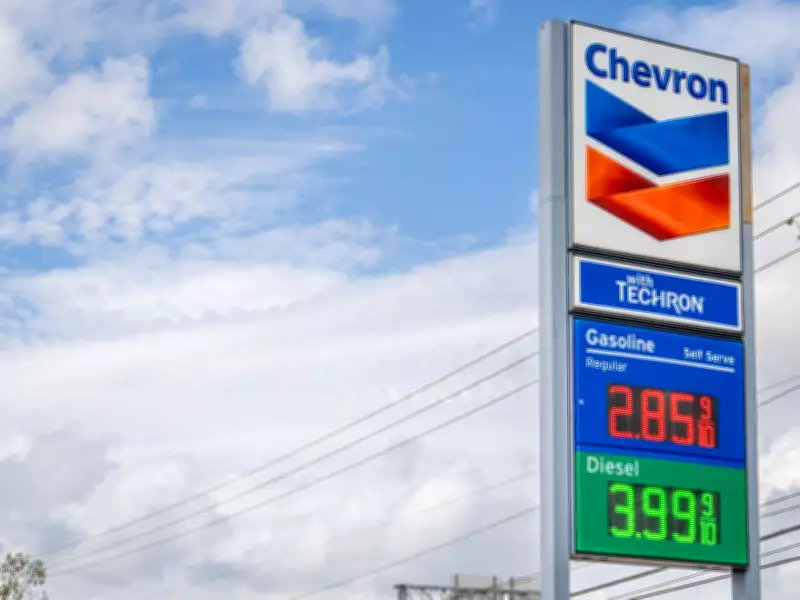
Chevron remains the only private Western company still actively pumping oil in Venezuela, operating under a special license from the U.S. Treasury Department. The Houston-based firm accounts for about a quarter of Venezuela's total production. Repsol, which holds interests in various blocks, lost its authorization to produce crude last year as the Trump administration intensified sanctions against the Maduro regime.
Key Assets and Diplomatic Significance
Among Repsol's significant holdings in Venezuela is Cardon IV, a joint venture with Italy's Eni SpA focused on producing gas from the offshore Perla field. This gas supplies power plants in western Venezuela, highlighting the strategic importance of these energy assets.
Secretary Wright's visit to Venezuela marks the highest-ranking U.S. official travel to the country in nearly three decades, underscoring the Trump administration's support for acting President Delcy Rodriguez, who previously served as Maduro's vice president. This diplomatic engagement signals a renewed commitment to fostering energy sector cooperation and economic revitalization in Venezuela.