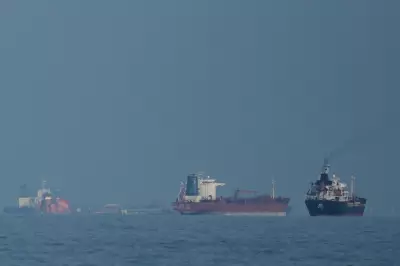
A prominent business academic has projected that oil from Venezuela could be processed in New Brunswick and subsequently exported to the United States within the next year. This forecast points to a significant potential shift in North American energy flows and refinery operations.
Timeline and Key Players
The analysis, presented by a business professor, specifically highlights the Irving Oil refinery in Saint John as a likely conduit for this crude. The professor suggested that this movement of Venezuelan crude oil could commence within a 12-month timeframe, potentially starting as early as 2026. This prediction hinges on evolving geopolitical and trade dynamics that could reopen avenues for Venezuelan exports to specific markets.
The Strategic Role of the Saint John Refinery
The Irving Oil facility in Saint John is a critical piece of energy infrastructure on Canada's East Coast. Its deep-water port and sophisticated refining capabilities make it a strategic asset for processing various types of crude oil for domestic use and export. The potential processing of Venezuelan crude there represents a notable business and logistical opportunity for the region, aligning the refinery with changing global supply chains.

This development would mark a re-engagement with Venezuelan oil, which has been subject to complex international sanctions and trade restrictions in recent years. The ability to legally import and process this crude would depend on specific regulatory approvals and the prevailing diplomatic landscape between the involved nations.
Implications for Markets and Policy
If this projection materializes, it could have several immediate effects. For the Irving Oil refinery, it could secure a new, potentially cost-effective feedstock, optimizing operations at the Saint John complex. For the United States, it would represent an alternative source of refined petroleum products from a stable, allied nation.
The move would also underscore Canada's role as a reliable energy partner and processor within continental trade frameworks. However, it would inevitably draw scrutiny from policymakers and environmental groups, balancing economic benefits against broader climate and foreign policy objectives. The next year will be crucial in determining whether this forecast becomes a reality for the energy sector in Atlantic Canada and beyond.