The geopolitical landscape of global energy is shifting, with Venezuela's vast but troubled oil sector once again at the forefront of international attention. Recent developments, including renewed U.S. operations and seizures of oil shipments, are reshaping the market and carrying significant implications for Canada's own energy strategy and economic interests.
A Sector in Flux: Seizures, Sanctions, and Strategic Interest
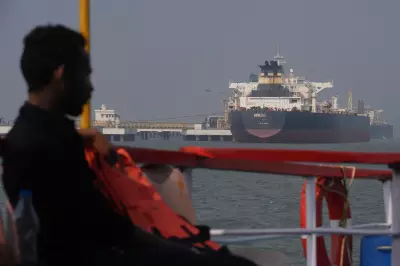
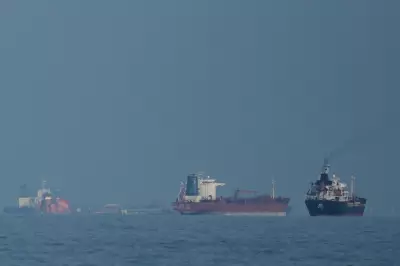
The past weeks have seen tangible actions that underscore the volatility surrounding Venezuelan crude. U.S. operations in Venezuela have continued, resulting in the seizure of two more oil ships. This aggressive enforcement of sanctions comes amidst a complex backdrop. Analysts note that while international oil companies remain hesitant due to political and legal risks, there is a palpable, renewed interest in the country's immense reserves.
This interest is fueled in part by changing trade flows. Reports indicate that under the current U.S. administration, Venezuela is providing between 30 and 50 million barrels of oil to the United States. This renewed commercial activity, however, exists in a state of precarious tension with the ongoing political stalemate within Venezuela itself. As one analyst framed it, the situation is a "waiting game for political stability" as the regime of Nicolás Maduro remains entrenched.

Canadian Implications: A Mirror and a Competitor
The unfolding scenario in Venezuela is not merely a distant geopolitical event for Canadian observers; it strikes at the core of national energy debates. One energy analyst made a direct connection, stating, 'What's happening in Venezuela underscores everything the PM is doing.' This comment highlights how Venezuela's situation is used as a reference point in domestic discussions about resource development, environmental policy, and energy security.
For Canada, a major non-OPEC oil producer and exporter to the U.S., Venezuela's re-entry into the market—even a partial one—presents both challenges and context. Increased Venezuelan heavy crude shipments to U.S. Gulf Coast refineries could compete with Canadian exports. Conversely, the extreme instability of Venezuela's production serves as a stark reminder of the value of stable, rules-based trading partners like Canada, even amid policy disagreements.
The Road Ahead: Uncertainty and Strategic Calculations
The future of Venezuela's oil industry hinges on a fragile balance of internal politics and external pressure. The Maduro regime's hold on power continues to deter large-scale foreign investment needed to revitalize the dilapidated infrastructure, despite the world's largest proven oil reserves. The ongoing U.S. seizures demonstrate that sanctions enforcement remains a powerful tool, keeping the sector in a state of legal and operational limbo.
For Canadian policymakers and energy executives, the situation demands careful monitoring. It influences global oil prices, affects strategic calculations regarding pipeline and export capacity, and fuels political rhetoric around resource development. The key takeaway is that Venezuela's oil saga is far from over, and its twists and turns will continue to ripple through the global market, directly impacting Canada's economic and strategic interests in the energy sphere.