The recent geopolitical actions by the United States in Venezuela, culminating in the capture of its president on January 3, 2026, have abruptly redirected international attention to the South American nation's vast petroleum resources. This event serves as a stark reminder of how political instability can directly impact the global energy landscape and market dynamics.
The Strategic Importance of Venezuela's Oil Reserves
Venezuela sits atop the world's largest proven oil reserves, a fact that has long made it a pivotal, albeit troubled, player in the energy sector. The U.S. military intervention that began in early January has thrown a harsh spotlight on these assets, raising immediate questions about future production, global supply chains, and market stability. The situation underscores the intricate link between geopolitical power plays and the flow of one of the planet's most critical commodities.
A Snapshot of Global Oil Reserves and Production Leaders
Beyond the crisis in Venezuela, the global distribution of oil wealth remains a key determinant of economic and political influence. The countries with the largest proven reserves typically hold significant long-term strategic power, while the top producers exert immediate influence on daily market prices and supply.

The hierarchy of oil reserves is led by nations in the Middle East and South America. Following Venezuela, countries like Saudi Arabia, Canada, Iran, and Iraq possess enormous underground wealth. However, the list of the top oil-producing countries can differ, as extraction rates are influenced by technology, investment, political stability, and market agreements. The United States, Saudi Arabia, and Russia have consistently ranked as the world's leading producers in recent years.
Canada's Position in the Global Oil Landscape
For a Canadian audience, particularly in energy-centric provinces like Alberta, this global picture has direct relevance. Canada is a perennial leader in both reserve size and production, home to the third-largest proven oil reserves globally, primarily in the form of oil sands in Alberta. Events that shake global markets, such as the crisis in Venezuela, can affect investment, pricing for Canadian crude, and long-term energy strategies.
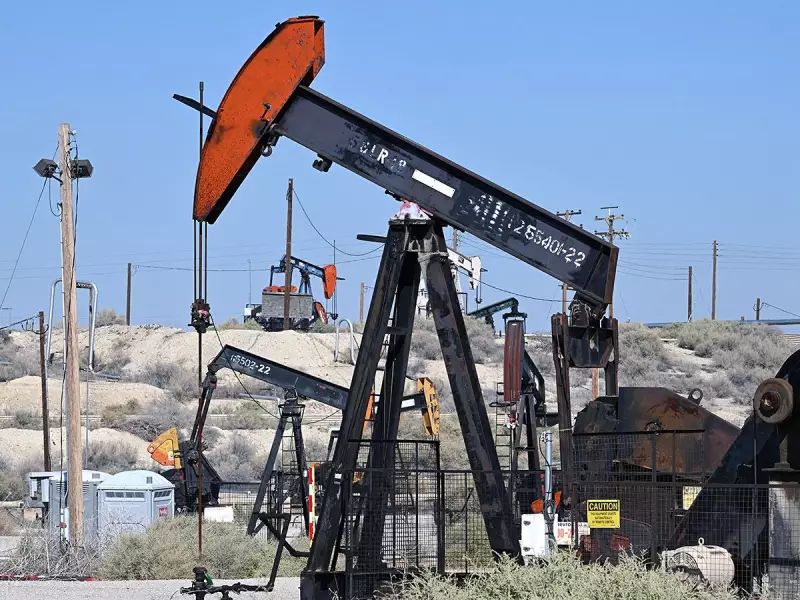
The image referenced in the original report, showing pumpjacks at the Midway-Sunset Oil Field in California on October 17, 2025, is a visual representation of the ongoing, intensive extraction efforts even in mature oil regions, highlighting the persistent global demand.
Implications and Looking Ahead
The unfolding situation in Venezuela is more than a regional conflict; it is a global energy event. It forces a re-examination of supply security, the reliability of various producer nations, and the delicate balance of power in the oil market. For industry analysts, policymakers, and investors, understanding the data on reserves and production is crucial for navigating the uncertainty.
As the world watches how the Venezuela scenario develops, the fundamental data on where oil lies and who pumps it to the surface remains the bedrock of energy economics. This event may accelerate shifts towards alternative energy sources or different supply partnerships, but for the foreseeable future, oil retains its central role, making its global distribution a matter of paramount importance.