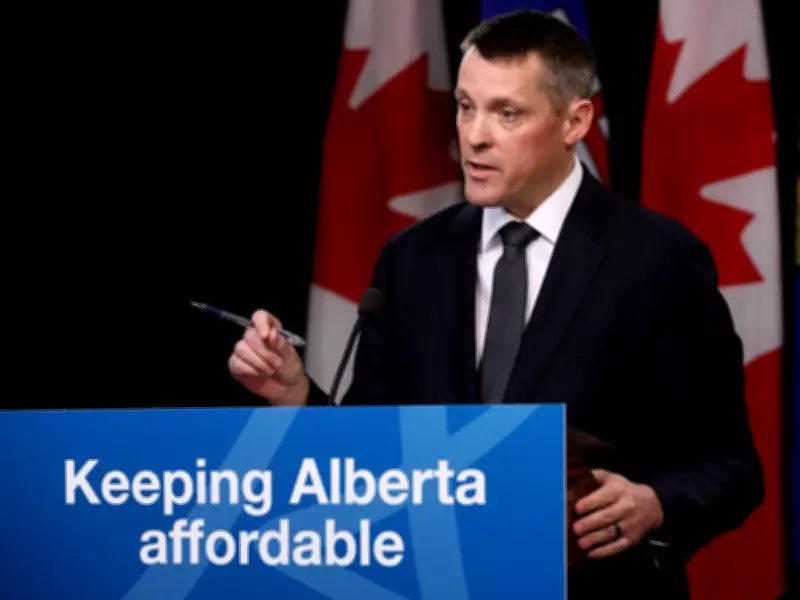
In November 2024, Alberta's UCP Finance Minister Nate Horner announced a radical overhaul of the province's automobile insurance system, aiming to implement a no-fault scheme by 2027. This plan, modeled after systems in Manitoba, Saskatchewan, and British Columbia, has sparked significant controversy and opposition from drivers and political members alike.
Background of the Proposed Changes
Horner cited a summer 2024 Calgary hailstorm that cost insurers a billion dollars in vehicle damage payouts as a key motivator for the changes. His solution focuses on shifting to a no-fault auto insurance system, which he claims will bolster insurer profit margins and potentially save policyholders up to $400 annually in premiums. However, this proposal has been met with skepticism and criticism from various quarters.
Current System vs. Proposed No-Fault Scheme
Under Alberta's current tort law auto insurance system, drivers injured by careless motorists have comprehensive rights. Their own insurers cover vehicle damage and provide immediate "care-first" benefits for medical expenses and income replacement, regardless of fault. Additionally, they can seek full compensation from the at-fault driver's insurance company for pain, suffering, and other losses beyond what their own policy covers.

Horner's no-fault plan, however, would eliminate these rights, replacing them with enhanced "Care-First" benefits. Critics argue these benefits are illusory, as insurers may cut off support before drivers receive substantial aid. The plan has been labeled "unconservative" and "un-Albertan" by opponents, who fear it prioritizes corporate profits over consumer protection.
Financial Implications and Public Opposition
Despite promises of premium savings, recent reports from the Automobile Insurance Rate Board (AIRB) predict that average premiums for the new no-fault product could exceed $2,000 per year in 2027, up from about $1,800 at the time of Horner's announcement. This projected increase contrasts sharply with lower premiums in other provinces operating under tort law systems or public auto insurance models.
For instance, half of Canada's provinces, including Alberta currently, use tort law systems where average premiums are lower than Alberta's projected no-fault rates. Meanwhile, Manitoba, Saskatchewan, and British Columbia—which have public auto insurance systems—also report lower average premiums than what Albertans might face under the new scheme.
Political and Public Backlash
The proposed changes have faced strong opposition. Polls indicate that most Albertans oppose Horner's no-fault plan, and at the UCP's most recent AGM, party members voted overwhelmingly to reject it. This backlash highlights concerns that the plan may not deliver the promised savings and could instead burden drivers with higher costs while reducing their rights.
Critics emphasize that the plan's reliance on private, profit-driven insurance corporations—unlike the public entities in other western provinces—could exacerbate issues, as insurers may prioritize shareholder returns over fair consumer treatment. As debates continue, the future of Alberta's auto insurance system remains uncertain, with drivers caught in the crossfire of political and economic interests.