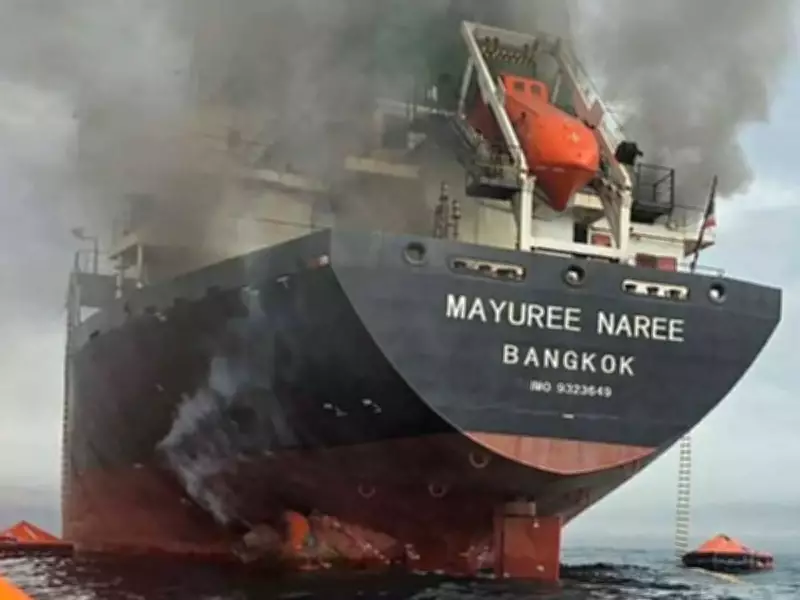
Shipping Insurance Costs Skyrocket in Hormuz Strait After Vessel Attacks
Insuring vessels to navigate the Strait of Hormuz remains feasible, albeit at exorbitant prices, according to industry insiders familiar with the market. The cost of coverage has escalated dramatically, now approximating five percent of a ship's total value. This represents a fivefold increase compared to the initial stages of the Iran war and a substantial multiple of the fractional percentages typical during periods of relative peace.
Financial Implications and Market Dynamics
For instance, insuring an oil tanker valued at US$100 million would incur a premium of around US$5 million. Despite these steep rates, the availability of insurance coverage persists for the limited number of vessels attempting to traverse this critical waterway. The Strait of Hormuz is instrumental, handling approximately one-fifth of global oil and liquefied natural gas shipments. However, a pivotal concern emerges: are ship owners prepared to assume the heightened safety risks associated with such voyages?
Geographic Focus and Insurance Quotations

Currently, the majority of elevated insurance rates are being directed at vessels with connections to China, India, Pakistan, and various other Asian ports. Insurers operating within the London market have affirmed that coverage remains accessible for ships in the Middle East, asserting that it does not act as a barrier to regional trade activities.
Security Incidents and International Responses
The United Kingdom Maritime Trade Operations Center has documented at least 20 ships involved in security incidents in and around the Persian Gulf since March 1. The most recent occurrence was on March 12, when a container ship sustained a strike, resulting in a fire. In response to these challenges, the United States has unveiled a US$20 billion reinsurance program aimed at revitalizing shipping through the Strait of Hormuz. Details regarding a plan for the U.S. International Development Finance Corporation to assist in insuring tankers are still ambiguous, with insurers showing interest in potential partnerships.
Political and Economic Context
President Trump emphasized that for normal operations to resume, vessels must be willing to pass through the waterway, even if mine-laying ships are neutralized. His efforts to rally allies in securing the strait have encountered reluctance, highlighting the complex geopolitical landscape. This situation underscores the intricate balance between maritime safety, insurance economics, and global trade dependencies in a region fraught with conflict.