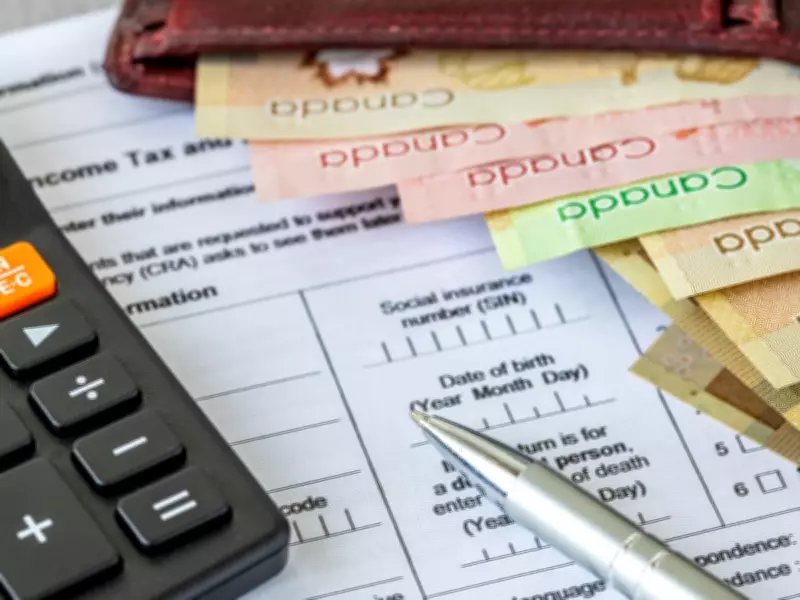
Every time someone says they are 'willing to pay more taxes,' it usually means they are happy to have someone else pay more. But for those who genuinely want to contribute, there is a way to put money into government coffers beyond what is owed. This article explains how to make a voluntary donation to the Canada Revenue Agency (CRA) or provincial governments, particularly Ontario, which is grappling with a debt exceeding $485 billion.
The Ontario Opportunities Fund
Ontario residents can donate all or a portion of their tax refund to help pay down the province's debt through the Ontario Opportunities Fund, found on page four of the tax return. With an average refund of about $2,000, if all 16 million adults in Ontario contributed, it would still cover less than 10% of the debt.
Donating to the Federal Government
According to Jamie Golombek, managing director of tax and estate planning at CIBC, donations to the government can be made and are eligible for a tax receipt like any other charity. However, he notes that 'nobody does this.' Public Services and Procurement Canada reported total donations to the Crown of $346,073 for fiscal year 2024-25 and $134,985 for 2025-26.

Challenges in Making Donations
Yannick Lemay, a tax expert with H&R Block Canada, explains that Ottawa does not make it easy to give extra money. Sending a cheque often results in it being applied as a credit to your account rather than a donation. Mike Dolson, a partner at McCarthy Tétrault, notes that the Crown is a qualified donee, but he has never encountered a client voluntarily giving more than necessary, except in cases like donating land adjacent to a national park.
In summary, while it is possible to donate money to the government, the process is not straightforward, and very few people take advantage of it. Those who do may find their contributions go toward reducing public debt, but tracking how the money is spent remains a challenge.