Canadian Insurers Fortify Homes, Urge Carney to Prioritize Climate Action as Wildfire Season Commences
As the 2026 wildfire season kicks off, Canadian insurance companies are taking proactive measures to strengthen residential properties against escalating fire risks. Simultaneously, they are urging Prime Minister Mark Carney's newly secured majority Liberal government to place climate change at the forefront of its policy agenda. This dual approach aims to address the growing threats posed by increasingly severe and frequent wildfires across the nation.
Insurers Implement Home Fortification Initiatives
In response to the mounting devastation caused by wildfires, insurers are rolling out comprehensive programs to fortify homes in high-risk areas. These initiatives include funding for fire-resistant roofing materials, ember-resistant vents, and defensible space creation around properties. The move comes as data reveals a sharp rise in wildfire-related insurance claims, with costs soaring due to more intense fire seasons linked to climate change.
Industry experts emphasize that these fortification efforts are not merely precautionary but essential for long-term sustainability. By investing in resilient infrastructure, insurers hope to reduce future payouts and protect communities from catastrophic losses. This strategy also aligns with broader environmental goals, as preventing wildfires helps preserve forests and reduce carbon emissions from burning vegetation.

Call for Government Action on Climate Policy
Insurance leaders are publicly calling on Prime Minister Carney to prioritize climate action in his government's agenda. With Carney's Liberals recently securing a majority after sweeping three federal byelections, including a late-night win in Quebec, the industry sees a critical window for policy advancement. Insurers argue that without robust federal measures to combat climate change, wildfire risks will continue to escalate, straining both public resources and private sector stability.
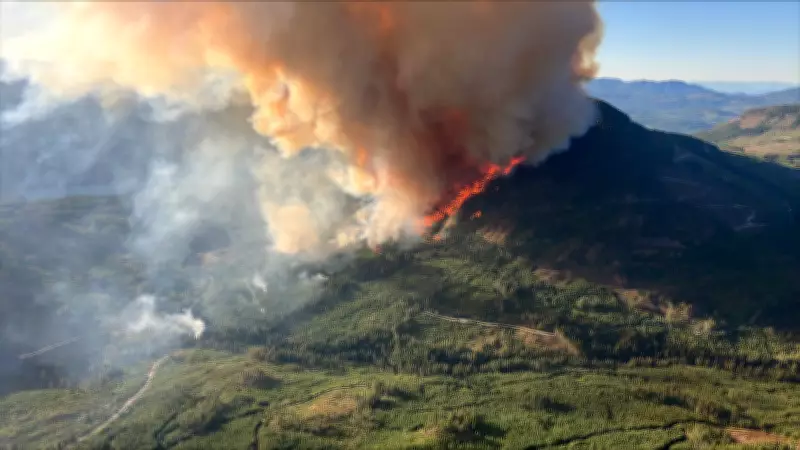
The timing is particularly poignant, as the Mount Underwood wildfire of August 2025 in British Columbia serves as a stark reminder of the destructive potential of these events. Handout photos from the BC Wildfire Service depict the blaze southwest of Port Alberni, highlighting the urgent need for coordinated response strategies. Insurers stress that climate policy must include investments in renewable energy, stricter emissions regulations, and enhanced wildfire prevention programs.
Wildfire Season Outlook and Economic Implications
The onset of the 2026 wildfire season brings heightened concerns for insurers and homeowners alike. Forecasts predict above-average fire activity in regions like British Columbia and Alberta, driven by drier conditions and warmer temperatures. This has prompted insurers to adjust premiums and underwriting criteria, potentially making coverage less accessible or more expensive for those in vulnerable areas.
Economically, the ripple effects extend beyond insurance. Wildfires disrupt supply chains, damage critical infrastructure, and burden healthcare systems with smoke-related illnesses. Insurers warn that without decisive climate leadership from Carney's government, these costs could undermine Canada's economic resilience and exacerbate social inequalities, particularly in Indigenous and rural communities disproportionately affected by fires.
Industry Recommendations and Future Steps
To mitigate risks, insurers propose a multi-faceted approach:

- Enhanced Building Codes: Implement nationwide standards for fire-resistant construction in wildfire-prone zones.
- Public-Private Partnerships: Foster collaboration between government agencies and insurers to fund community resilience projects.
- Climate Adaptation Funding: Allocate federal resources to support homeowners in fortifying properties and adopting sustainable practices.
- Research and Monitoring: Invest in advanced technologies for early wildfire detection and real-time risk assessment.
As Prime Minister Carney embarks on his majority era, the insurance sector's message is clear: climate action is not just an environmental imperative but a economic necessity. By prioritizing policies that reduce wildfire risks and promote sustainability, the government can safeguard Canadian homes, livelihoods, and natural landscapes for generations to come.