Anand in Washington as U.S. Pushes for Critical Mineral Trade Alliance
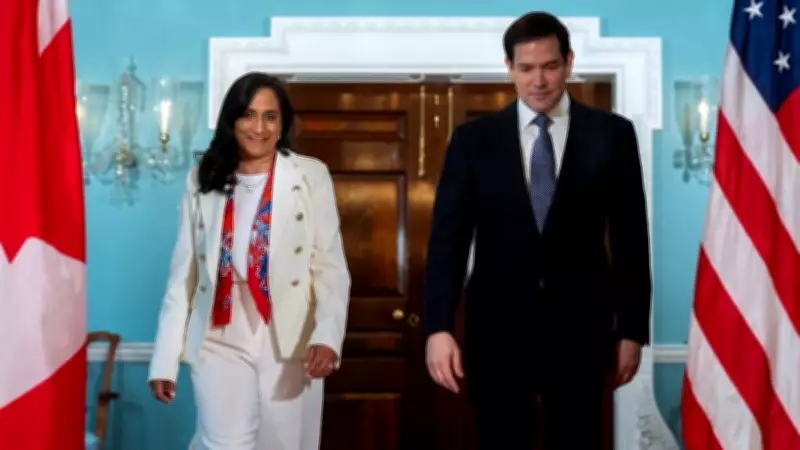
Canadian Minister of Foreign Affairs Anita Anand is set to participate in a significant meeting in Washington, D.C., as the Trump administration makes a concerted effort to establish an international trade zone focused on critical minerals. This initiative aims to strengthen global supply chains for essential resources, which are vital for various high-tech and green energy industries.
Bilateral Discussions on Strategic Resources
The upcoming discussions follow a previous meeting between Anand and U.S. Secretary of State Marco Rubio at the State Department in August 2025. That encounter addressed key bilateral issues and regional security concerns, setting the stage for deeper collaboration on economic and resource matters. The focus on critical minerals underscores the growing importance of securing reliable access to materials like lithium, cobalt, and rare earth elements, which are crucial for manufacturing electric vehicles, renewable energy systems, and advanced electronics.
Implications for Canada's Economic and Environmental Policies
Canada, with its abundant natural resources and advanced mining sector, stands to play a pivotal role in this proposed trade zone. Participation could enhance the country's economic prospects by opening new markets and fostering innovation in resource extraction and processing. However, it also raises questions about environmental regulations, Indigenous rights, and trade dependencies, requiring careful negotiation to align with Canada's domestic policies and international commitments.

Global Context and Competitive Dynamics
The push for a critical mineral trade zone comes amid increasing global competition, particularly with China, which currently dominates many aspects of the critical minerals supply chain. By forming alliances with like-minded nations, the U.S. and Canada aim to reduce reliance on adversarial suppliers and promote secure, ethical sourcing practices. This move is part of broader geopolitical strategies to ensure economic resilience and national security in an era of rapid technological change.
Looking Ahead: Challenges and Opportunities
As Anand engages in these high-stakes talks, she must balance Canada's economic interests with environmental sustainability and social responsibility. The outcome could shape not only bilateral relations but also influence global trade patterns and the transition to a greener economy. Stakeholders across sectors will be watching closely, as decisions made in Washington may have far-reaching consequences for industries, communities, and international cooperation in the years to come.