As Canada prepares to enter formal negotiations with the United States over the trilateral trade agreement with Mexico in January 2026, a clear message is emerging from the nation's business and labour leaders: the time for political theatrics is over, and the focus must now be on delivering concrete results.
From "Elbows Up" to Putting "Pucks in the Net"
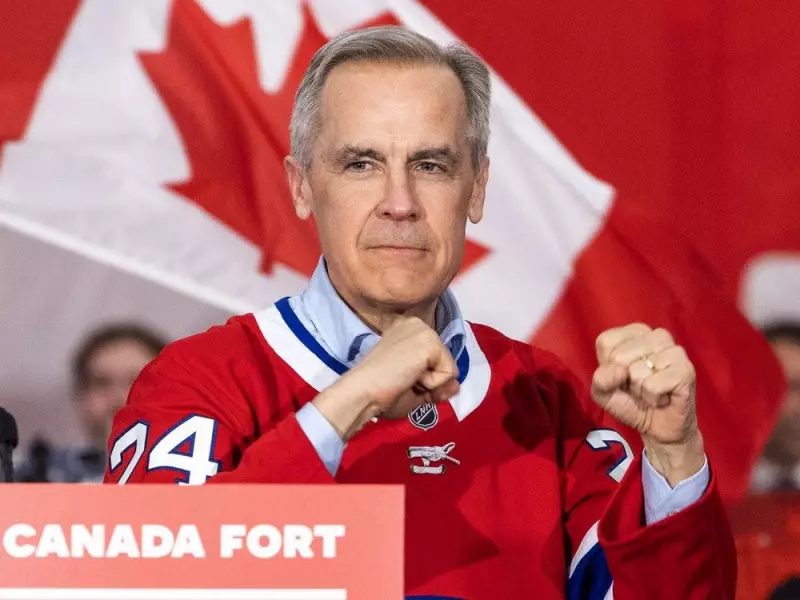
The shift in tone follows a year defined by heightened emotions and national pride, largely in response to U.S. President Donald Trump's tariffs and his controversial comments about coveting Canada as a "51st state." Political leaders, including Prime Minister Mark Carney, frequently adopted a combative, "elbows up" stance during the 2025 election campaign, promising to hit back hard against American trade actions.
However, with the symbolic posturing of the campaign trail giving way to the hard realities of governance and international negotiation, influential voices are advocating for a more pragmatic approach. Goldy Hyder, President and CEO of the Business Council of Canada, encapsulated this sentiment with a hockey analogy, stating the aggressive phase has run its course.

"We've had the year of elbows up," Hyder said. "When you do that in a hockey game, you end up in the penalty box. It's far more important in 2026 that we, you know, win face-offs, put shots on the net, and put pucks in the net. That's what's going to be more important."
The Stakes of the CUSMA Review and Lingering Tariffs
The immediate test for this new pragmatism will be the first joint review of the Canada-United States-Mexico Agreement (CUSMA), which was originally negotiated during Trump's first term. The review process, set to begin in January, will now also encompass ongoing efforts to address U.S. tariffs on Canadian steel and aluminum—a key unresolved issue from the previous year.
Prime Minister Carney, an avowed hockey fan, himself signaled this shift in strategy back in August 2025. He explained his decision to drop a suite of retaliatory tariffs by suggesting the priority was no longer throwing elbows but rather "maneuvering the metaphorical puck into the metaphorical net" to secure a deal lowering U.S. tariffs. Six months later, that definitive win has yet to materialize.
Lana Payne, National President of Unifor, noted that the persistence of these sectoral tariffs means Canada is entering the talks "slightly on our back heels." However, she pointed to rising U.S. inflation and unemployment—partly driven by the impact of Trump's own tariffs—as potential leverage for Canada. "All of these things are helpful to us," Payne stated, suggesting the economic climate could be used to Canada's "advantage" in the bargaining process.
A Race Against Time for Business Certainty
While the government may feel strategic patience is warranted, the business community is emphasizing the urgency of the situation. Goldy Hyder warned that one significant risk is that 2026 could conclude without the CUSMA joint review being completed, prolonging uncertainty for cross-border commerce and investment.
This call for decisive action underscores a fundamental divergence in perspective. The Carney government has pointed to the exemptions enjoyed by a majority of goods under CUSMA as a success, positioning Canada favorably compared to other U.S. trading partners. Business leaders, however, are pressing for more tangible outcomes that resolve outstanding disputes and solidify the trade framework for the future.
The coming year will test whether the Canadian government can transition from the defiant rhetoric that characterized the 2025 political season to the scoreboard results that the country's economic leaders are now demanding.