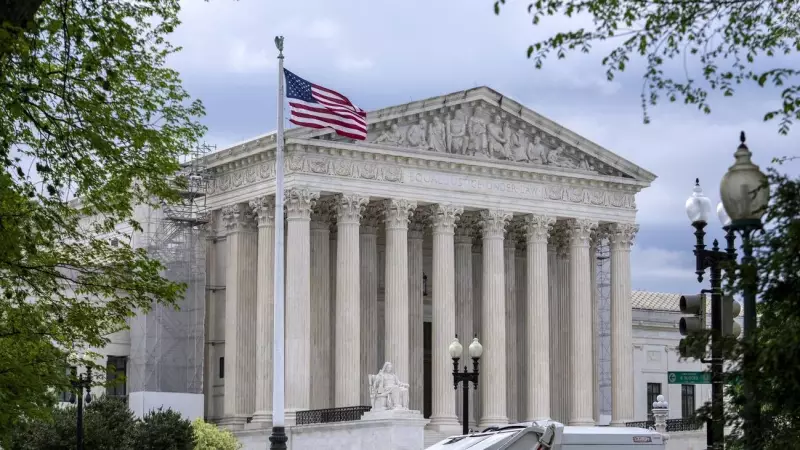
Anticipation is building across Canada for a landmark ruling from the United States Supreme Court regarding former President Donald Trump's use of emergency powers to impose tariffs. The decision, expected soon, could reshape the legal framework for U.S. trade policy and have significant repercussions for Canadian exporters and the broader economic relationship between the two nations.
The Legal Challenge at Hand
The case before the U.S. Supreme Court centers on the scope of presidential authority under national emergency statutes. During his presidency, Donald Trump invoked these powers to justify imposing tariffs on various trading partners, arguing they were essential for national security. Legal challenges have questioned whether such sweeping trade measures truly fall within the intended use of emergency declarations.
The ruling, which could come at any time, will either affirm or curtail a powerful executive tool. For Canada, a country deeply integrated with the U.S. economy, the court's interpretation carries immense weight. Past use of these powers led to tensions and uncertainty, making this pending judgment a critical watchpoint for policymakers and business leaders alike.

Potential Implications for Canadian Trade
A decision that upholds broad presidential tariff powers could introduce a persistent element of unpredictability into North American trade. Future U.S. administrations might feel empowered to use similar justifications for protectionist measures, potentially targeting key Canadian sectors like steel, aluminum, or softwood lumber under the banner of national security.
Conversely, a ruling that limits these emergency powers would be seen in Ottawa as a victory for rules-based trade. It would reinforce the role of congressional oversight and potentially make it more difficult for any president to unilaterally disrupt supply chains with tariff actions justified by emergency declarations. This scenario would provide greater long-term stability for Canadian businesses that rely on seamless access to the U.S. market.
Broader Context and Canadian Vigilance
The Supreme Court's deliberation occurs amid a shifting global political order, where traditional alliances and trade norms are being tested. Canadian officials and trade experts are monitoring the situation closely, understanding that the legal precedent set in Washington will resonate far beyond U.S. borders.
While the immediate case does not directly involve Canada, its outcome will define the boundaries of a policy instrument that has been used against Canadian interests in the past. The ruling is therefore viewed not just as an American legal matter, but as a pivotal factor in the future security and predictability of Canada's most important trading relationship.
As the world awaits the court's decision, the Canadian government and export-dependent industries are preparing for multiple scenarios, emphasizing the enduring need for diplomatic engagement and robust international trade frameworks to navigate an era of potential economic unilateralism.