Canada and Mercosur Trade Bloc Push for 2026 Free Trade Deal Finalization
A senior Brazilian official has confirmed that negotiations between Canada and the Mercosur trade bloc are intensifying, with both parties aiming to sign a comprehensive free trade agreement before the end of 2026. This announcement underscores a significant diplomatic effort to strengthen economic ties across the Americas, potentially unlocking new markets for goods and services.
High-Level Diplomacy Paves the Way for Trade Progress
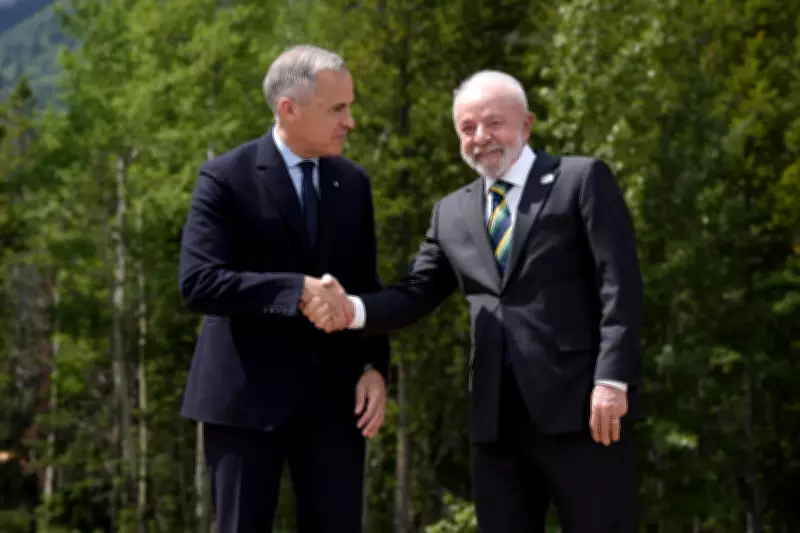
The push for this agreement follows recent high-level engagements, including a meeting between Prime Minister Mark Carney and Brazilian President Luiz Inacio Lula da Silva at the G7 Summit in Kananaskis, Alberta, in June 2025. Such interactions have been crucial in building political momentum and addressing complex trade issues that have historically slowed progress.
The Mercosur bloc, which includes Brazil, Argentina, Paraguay, and Uruguay as full members, represents a substantial economic region with a combined population of over 300 million people. A free trade deal with Canada could facilitate increased exports of Canadian agricultural products, manufactured goods, and technology, while providing Mercosur nations with enhanced access to Canadian markets for commodities like soybeans, beef, and minerals.

Economic and Strategic Implications of the Proposed Agreement
This potential agreement is seen as a strategic move to diversify trade partnerships amid shifting global dynamics. For Canada, it aligns with broader efforts to reduce reliance on traditional markets and tap into growing economies in South America. The deal could also set a precedent for future trade pacts, influencing standards in areas such as environmental protection, labor rights, and digital trade.
Key negotiation points are expected to include tariff reductions, intellectual property protections, and mechanisms for dispute resolution. Both sides have expressed optimism, but challenges remain, particularly concerning agricultural subsidies and regulatory harmonization. The Brazilian official emphasized that while the goal is to sign in 2026, the timeline depends on resolving these outstanding issues through continued dialogue.
Broader Context of Canada's International Trade Agenda
This development occurs alongside other domestic and international events, such as the federal pause on gasoline and diesel taxes and discussions on Indigenous rights at the United Nations. However, the Mercosur talks highlight a focused commitment to expanding Canada's trade footprint. As Prime Minister Carney noted in a recent address, adapting to global changes is essential, and this agreement could be a pivotal step in responding to evolving economic landscapes.
In summary, the pursuit of a Canada-Mercosur free trade deal in 2026 reflects a concerted effort to foster economic growth and cooperation. Stakeholders will be closely monitoring negotiations in the coming months, as successful completion could herald a new era of trans-American trade relations.