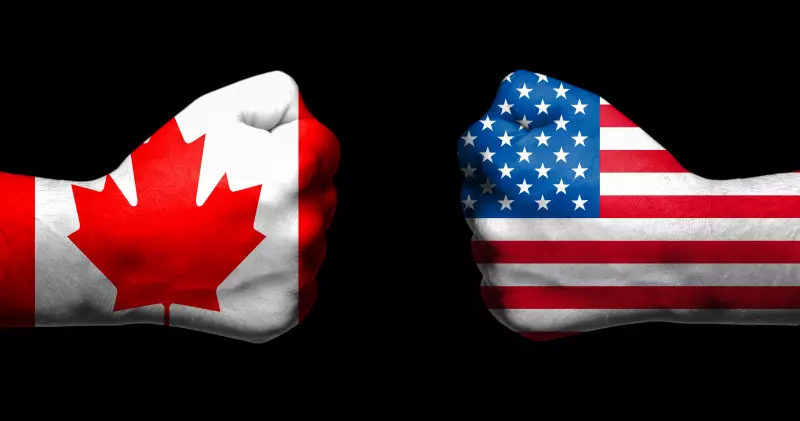
A stark new analysis suggests that among America's closest allies, Canada could be the hardest hit by political instability and upheaval in the United States. The warning comes amid a shifting global order and specific legal rulings that may empower unilateral U.S. trade actions.
Axworthy Pinpoints Canadian Vulnerabilities
Former Canadian foreign affairs minister Lloyd Axworthy has detailed where the nation is most exposed. In commentary published on January 09, 2026, Axworthy emphasized that Canada's deep economic integration and geographic proximity, while traditionally strengths, now represent significant liabilities in an era of potential U.S. political volatility. The relationship's reliance on stable, rules-based engagement is under threat.
The concerns are not merely theoretical. They are compounded by a recent U.S. Supreme Court ruling on presidential emergency tariff powers. This decision could significantly affect Canada by broadening a U.S. president's authority to impose tariffs unilaterally, citing national emergency powers. For a nation where a massive portion of its economy depends on cross-border trade, this legal shift creates substantial economic uncertainty.

The Mechanism of Risk: Trade and Beyond
The core of the vulnerability lies in the integrated supply chains and the energy sector. Any sudden imposition of tariffs or trade barriers under emergency declarations would disrupt billions of dollars in annual commerce. Beyond economics, Axworthy's analysis suggests political upheaval could spill over into coordinated defense and security policies, potentially leaving Canada in a difficult diplomatic position.
This report arrives as other news highlights domestic pressures, from healthcare crises to provincial issues, but experts argue the external threat from U.S. instability could overshadow many internal challenges. The warning calls for a strategic reassessment of Canada's foreign and economic policy to build greater resilience.
Navigating an Unpredictable Partnership
The conclusion drawn from the analysis is clear: Canada must proactively diversify its economic partnerships and reinforce multilateral frameworks. Relying on the historical predictability of the U.S.-Canada relationship is no longer a prudent strategy. Policymakers are urged to develop contingency plans for various scenarios of U.S. political and trade actions to safeguard national interests.
Ultimately, the report serves as a clarion call to recognize that friendship and proximity do not guarantee stability. As the political landscape in Washington remains fluid, Canada's position as America's largest trading partner makes it uniquely susceptible to any sudden shifts in policy or governance, necessitating vigilant and prepared leadership.