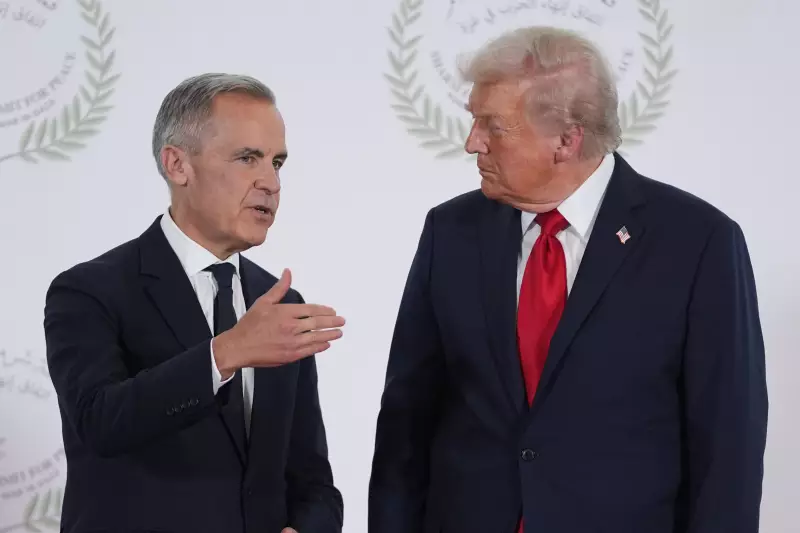
According to a source familiar with the matter, the Canadian government informed its United States counterparts of its intention to eliminate the substantial 100 per cent tariff imposed on electric vehicles imported from China. This diplomatic notification, reported on January 17, 2026, signals a significant shift in trade policy that is poised to reshape the automotive market and has already sparked political debate.
The Diplomatic Move and Policy Shift
The communication between Ottawa and Washington underscores the close coordination on trade matters, even as Canada charts its own course on this specific issue. The decision to drop the punitive tariff, which was a major barrier to the entry of Chinese-made EVs into the Canadian market, represents a calculated move with wide-ranging implications. Political analyst Heather Wright has been examining the potential fallout from this policy reversal, assessing how it will affect both domestic politics and consumer choices.
Potential Impacts on Market and Consumers
The removal of the tariff is expected to increase the availability and variety of electric vehicles for Canadian consumers, potentially driving down prices through heightened competition. This could accelerate the adoption of EVs across the country by making them more financially accessible. However, it also raises questions about the competitive pressure on North American and other international automakers operating in Canada. The policy change arrives amid a global race to dominate the electric vehicle sector, placing Canada's automotive industry at a new crossroads.

Broader Trade and Political Context
This development occurs within a complex web of international trade dynamics. Notably, it follows positive reactions from Saskatchewan Premier Scott Moe and canola farmers regarding a separate trade agreement with China, hailed as "very good news." The contrasting approaches to trade with China—opening doors in some sectors while potentially protecting others—highlight the nuanced and sometimes contentious nature of Canada's economic relationship with the global powerhouse. The political fallout, as noted by analysts, will likely involve debates over economic sovereignty, job protection, and environmental goals tied to EV adoption.
As the situation develops, stakeholders from the automotive industry, policymakers, and consumers will be closely watching the real-world effects of this tariff elimination on showroom floors and in the broader push toward a greener transportation future.