China Clarifies Canada Trade Agreement Amid U.S. Tariff Tensions
In a recent statement, Chinese officials have emphasized that a new trade deal with Canada is not intended as a direct response to tariff threats from the United States. This clarification comes as global economic dynamics continue to shift, with nations navigating complex trade relationships and potential protectionist measures.
Diplomatic Context and Leadership Meetings
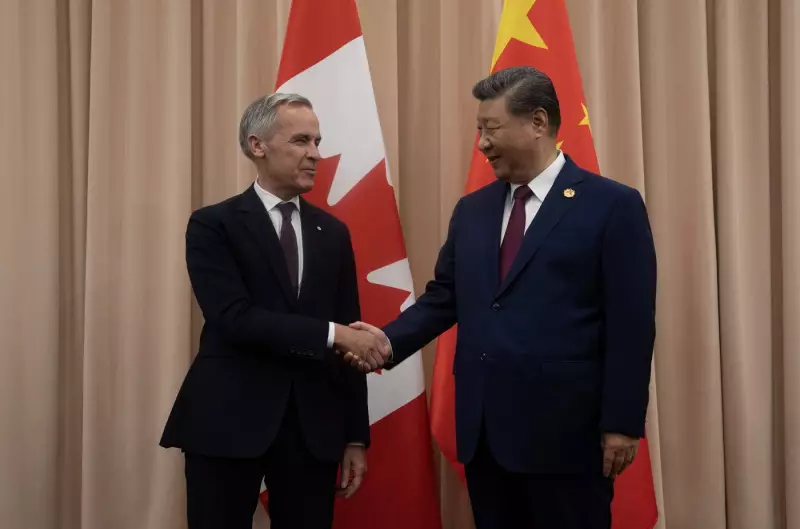
The announcement follows a meeting between Canadian Prime Minister Mark Carney and Chinese President Xi Jinping in Gyeongju on October 31, 2025. During this engagement, leaders discussed bilateral cooperation, highlighting efforts to strengthen economic ties between the two countries. The handshake captured in official photographs symbolizes a commitment to dialogue, even as external pressures from other global powers loom.
Experts warn that tariff threats from the U.S. could have significant repercussions for both Canada and its trading partners. However, China's insistence that the deal with Canada stands on its own merits suggests a strategic move to maintain stability in international commerce. This approach aims to prevent the agreement from being perceived as a retaliatory measure, which could escalate trade tensions further.

Economic Implications and Sovereignty Concerns
As parliamentarians return to debate issues of affordability and sovereignty, the Canada-China trade deal emerges as a focal point. Prime Minister Carney has reiterated that Canada has no intention of pursuing a free trade agreement with China, underscoring the nation's cautious stance in balancing economic opportunities with diplomatic independence.
The broader context includes concerns over how such deals might impact domestic industries, such as Canada's craft beer sector, which is already grappling with inflation and existing tariffs. Meanwhile, rental markets and other economic indicators reflect a shifting landscape where international agreements play a crucial role in shaping local outcomes.
Global Reactions and Future Outlook
Reactions to the deal have been mixed, with some analysts viewing it as a necessary step for diversifying trade partnerships in an uncertain global economy. Others express caution, noting the potential for increased scrutiny from allies and competitors alike. The statement from China serves to mitigate fears that the agreement could provoke further economic disputes, particularly with the United States.
Looking ahead, the success of this trade deal will likely depend on continued diplomatic efforts and transparent communication between all parties involved. As climate and environmental issues, such as massive winter storms and extreme temperatures, also demand attention, nations must juggle multiple priorities in their international engagements.
In summary, China's assertion that the Canada deal is not aimed at the U.S. highlights a nuanced approach to global trade, where countries seek to foster cooperation without escalating conflicts. This development underscores the importance of strategic diplomacy in navigating today's interconnected economic landscape.