Alberta Premier Takes Unyielding Stance in Cross-Border Electricity Dispute with Montana
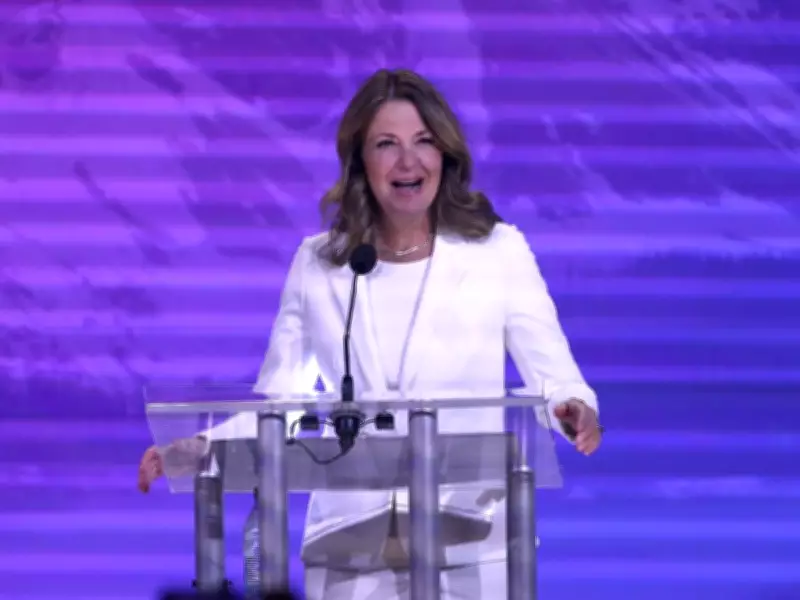
Alberta Premier Danielle Smith has positioned herself as a formidable negotiator in Canada's ongoing trade tensions with the United States, adopting a firm stance against what she characterizes as unwarranted pressure from Montana-based electricity producers. Speaking on her weekly radio program, Smith unequivocally rejected allegations that recent modifications to Alberta's electricity market unfairly disadvantage power imports from Montana.
"I Don't Think They Have a Case": Smith Dismisses Montana's Complaints
Premier Smith articulated her position clearly, stating that Montana companies are seeking preferential treatment under the pretense of fairness. "They want to be able to sell to us when the price is high and sell somewhere else when the price is high," Smith explained to a caller inquiring about the brewing conflict. "And we just say, if you're going to play in our market, you've got to follow the same rules as everyone else."
Smith emphasized that the regulatory changes apply uniformly to all jurisdictions, not just Montana. "I don't think they like the change in the rules, but it applies fairly to everyone, so I don't think they have a case there," she asserted, reinforcing her commitment to maintaining a level playing field within Alberta's evolving energy landscape.

Mounting Criticism from U.S. Officials and Trade Representatives
Smith's defense of provincial energy policies comes amid escalating criticism from American political figures. Montana Senators Steve Daines and Tim Sheehy have publicly condemned Alberta's regulatory adjustments, with Daines's office contending in January that Alberta has "levied a number of rules and regulations that discriminate against Montana electricity producers that ultimately undermine the stability of Montana's grid."
The dispute has captured attention at the highest levels of U.S. trade policy. U.S. Trade Representative Jamieson Greer specifically referenced "Alberta's unfair treatment of electrical power distribution providers in Montana" during December congressional remarks concerning barriers to renewing the Canada-U.S.-Mexico Agreement (CUSMA), signaling the potential for broader trade implications.
Understanding Alberta's Electricity Market Transformation
The current tension stems from significant structural changes within Alberta's electricity sector:
- Transition from Coal to Renewables: Alberta has been systematically phasing out coal-fired power generation while simultaneously expanding renewable energy sources such as solar panels and wind turbines.
- Intermittent Energy Challenges: Wind and solar power generation fluctuates with weather conditions, creating periods of surplus and deficit within Alberta's energy grid.
- Import Reductions: During times of abundant local generation, Alberta has reduced electricity imports, including those from Montana, to maintain grid stability.
Jack Mintz, a University of Calgary economist specializing in energy policy, characterizes this as primarily a "technical issue" that has been reframed as a trade concern. "Alberta's electricity market is still catching up to a rapidly changing energy mix, and they've come up with this sort of ad hoc solution where they're shutting off everybody at times when domestic generation is surging," Mintz explained, highlighting the transitional nature of Alberta's energy infrastructure.
The Broader Implications for Canada-U.S. Trade Relations
This electricity dispute represents more than a provincial matter, potentially affecting:

- Cross-Border Energy Cooperation: The longstanding energy trading relationship between Alberta and Montana faces uncertainty as both jurisdictions navigate evolving market conditions.
- Trade Agreement Negotiations: U.S. officials have explicitly linked this issue to CUSMA renewal discussions, suggesting it could become a bargaining point in broader trade talks.
- Provincial Autonomy: Smith's unwavering position underscores Alberta's determination to regulate its energy market according to provincial priorities, even when facing international pressure.
As Alberta continues its transition toward renewable energy sources, the province finds itself balancing domestic energy needs with international trade obligations. Premier Smith's resolute stance indicates that Alberta intends to prioritize grid stability and equitable market rules, even as U.S. officials intensify their criticism of the province's regulatory approach.