Former Ambassador Kirsten Hillman Voices Concerns Over Trump's Inconsistent Stance on CUSMA
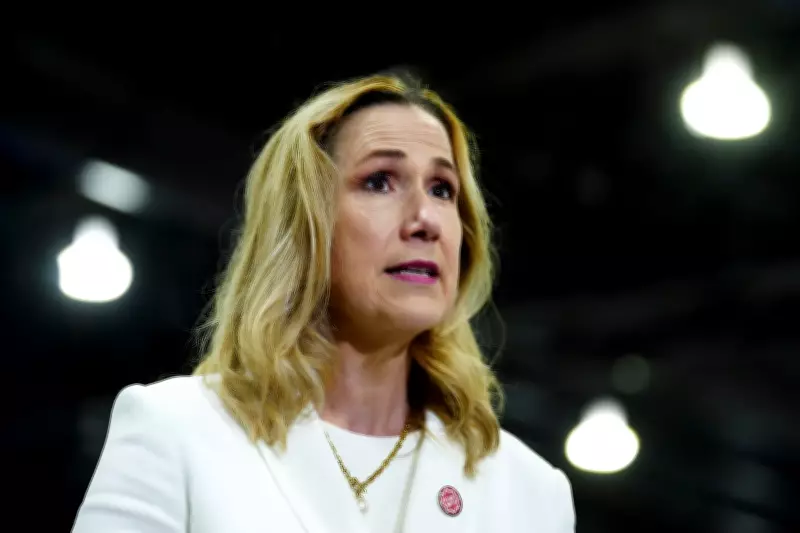
In a recent commentary, Kirsten Hillman, Canada's former ambassador to the United States, highlighted the uncertainty surrounding Donald Trump's position on the Canada-U.S.-Mexico Agreement (CUSMA). Hillman pointed out that Trump's statements on the trade deal have varied over time, creating a sense of unpredictability for Canadian policymakers and businesses. "He says different things at different times," Hillman remarked, emphasizing the challenge in gauging the former president's true intentions regarding the pivotal trade agreement.
Context of Canada-U.S. Relations Amid Political Shifts
Hillman's observations come at a time when Canada is actively working to strengthen its ties with the United States, particularly in areas such as Arctic security. Notably, Canada has recently bolstered its Arctic presence by opening a new consulate in Nuuk, Greenland, a move aimed at enhancing Inuit connections and regional security. This initiative, led by Canadian officials, underscores the ongoing efforts to maintain a stable alliance despite potential political fluctuations in the U.S.
Meanwhile, a top Biden administration official has asserted that the end of the deep alliance between Canada and the U.S. is not inevitable, suggesting a commitment to continuity in bilateral relations. However, Hillman's comments serve as a reminder of the potential volatility that could arise from shifting U.S. political landscapes, especially with figures like Trump who have historically taken a hardline stance on trade issues.

Implications for Trade and Economic Stability
The Canada-U.S.-Mexico Agreement, which replaced NAFTA in 2020, is a cornerstone of North American trade, facilitating billions in commerce annually. Hillman's critique of Trump's inconsistent messaging raises concerns about the future stability of this agreement. If Trump were to return to power and pursue changes to CUSMA, it could disrupt supply chains, impact economic indicators, and necessitate adjustments in Canada's trade policies.
This uncertainty is compounded by other domestic challenges, such as Ottawa's recent $1.01-billion loan to Canada Post to address financial struggles, highlighting the broader economic pressures facing the nation. In this context, clear and consistent communication from U.S. leaders is crucial for Canadian businesses and policymakers to plan effectively.
Broader Political and Environmental Considerations
Beyond trade, Hillman's remarks intersect with other key issues, including environmental regulations and climate change. For instance, as Canada grapples with extreme weather events—like the deep freeze in Ontario contrasted with balmy conditions in B.C. and Alberta—the need for coordinated international efforts on climate policy becomes more apparent. Disruptions in U.S. leadership could hinder progress on shared environmental goals, affecting areas from renewable energy to pollution control.
Additionally, Canada's focus on Arctic security, as evidenced by the Nuuk consulate, aligns with efforts to address climate change impacts in the region, such as melting ice and shifting wildlife patterns. Hillman's insights into U.S. politics thus resonate across multiple sectors, from economic policy to environmental science.
Looking Ahead: Navigating Uncertainty in Bilateral Ties
As Canada continues to engage with the U.S. on issues ranging from trade to defense security, Hillman's commentary underscores the importance of vigilance and adaptability. Her experience as a former ambassador provides a nuanced perspective on how Canadian officials might navigate the complexities of U.S. political dynamics, particularly with figures like Trump who have shown a propensity for changing positions.
In summary, while the Canada-U.S. alliance remains robust, Hillman's warnings about Trump's inconsistent stance on CUSMA highlight potential risks. Stakeholders in both countries must stay informed and prepared for possible shifts in policy, ensuring that bilateral relations can withstand political uncertainties and continue to foster mutual prosperity and security.