U.S. Supreme Court Delivers Major Blow to Trump's Tariff Agenda
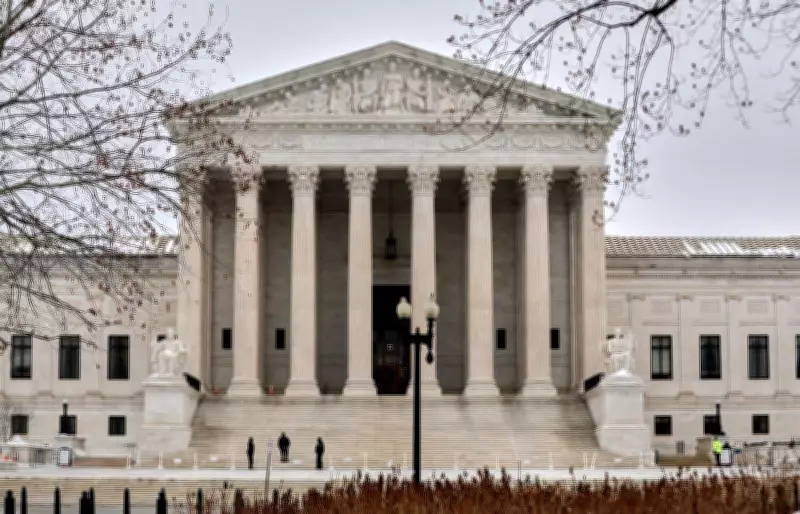
In a landmark decision, the U.S. Supreme Court has rejected former President Donald Trump's global tariffs, declaring their use under the International Emergency Economic Powers Act (IEEPA) as unlawful. This ruling represents a significant loss for Trump's economic agenda, with legal experts describing it as a pivotal moment in trade policy.
Details of the Court's Ruling
The court found that the tariffs, which targeted multiple countries including Canada, exceeded presidential authority under IEEPA. This act is designed for national emergencies, and the justices determined that the broad application of tariffs did not meet this threshold. The decision underscores the limits of executive power in imposing trade restrictions without congressional approval.
Legal analysts highlight that this ruling could set a precedent for future trade disputes, emphasizing the need for clear legal justifications in economic policies. The court's opinion stresses that such measures must align with statutory intent to avoid overreach.

Implications for Trade and Economy
This verdict is expected to have far-reaching consequences for international trade relations. Businesses, particularly those affected by the tariffs, are celebrating the decision, though refund processes may take time to implement. The ruling may also influence ongoing trade negotiations and policies under current and future administrations.
Economists note that the tariffs had sparked tensions with key allies, and this court action could help stabilize trade partnerships. However, it also raises questions about the balance between presidential discretion and legislative oversight in economic matters.
Reactions and Broader Context
Following the announcement, reactions have been mixed. Supporters of the tariffs argue they were necessary for protecting domestic industries, while critics applaud the court for upholding legal standards. The decision comes amid broader political debates over trade and economic strategy in the U.S.
This ruling adds to a series of legal challenges faced by Trump's policies, highlighting the judiciary's role in checking executive actions. As trade dynamics evolve, this case may serve as a reference point for similar disputes in the future.