Trump's Tariff Rhetoric Takes Aim at Canada's China Relations
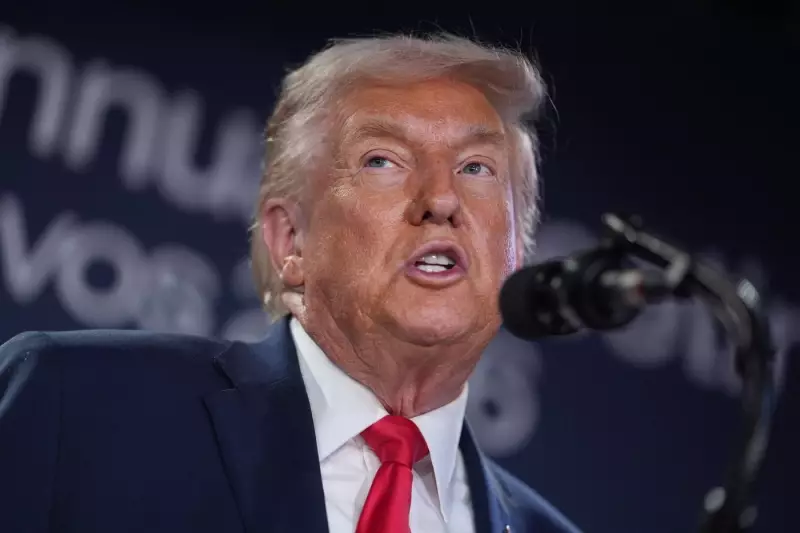
In a recent statement that has stirred controversy, former U.S. President Donald Trump has launched a sharp critique of Canada's trade policies with China, going so far as to suggest that China is 'taking over' Canada. Speaking from Davos, Switzerland, during the World Economic Forum, Trump framed this as part of a broader narrative of economic competition and national sovereignty.
'Leave Ice Hockey Alone!'
Trump's comments included a colorful and pointed remark: 'Leave ice hockey alone!' This phrase appears to symbolize his view that Chinese influence could encroach upon cultural and sporting institutions in Canada, which are deeply cherished by Canadians. Ice hockey, as a national pastime, represents more than just a sport; it is a symbol of Canadian identity and community.
By invoking hockey, Trump taps into emotional and cultural sentiments, suggesting that trade deals with China might have unintended consequences beyond the economic sphere. This rhetoric aligns with his long-standing skepticism of global trade agreements and his 'America First' policies, which often target perceived foreign threats to domestic industries and culture.

Canada 'Destroying Itself' with China Trade
Trump asserted that Canada is 'destroying itself' through its trade relationships with China. This claim comes amid ongoing discussions about tariffs and trade balances, which have been a hallmark of Trump's political career. He has previously imposed tariffs on various goods, including those from Canada, citing national security and economic fairness as reasons.
In this context, Trump's warning reflects broader geopolitical tensions between Western nations and China, with trade being a key battleground. Canada, as a close ally of the United States, often finds itself navigating complex relationships with both countries, balancing economic interests with diplomatic considerations.
Broader Implications and Reactions
Trump's statements are likely to resonate with certain political factions in Canada and the U.S. who share concerns about Chinese influence. However, they also risk oversimplifying the nuanced nature of international trade. Canada has historically pursued a diversified trade strategy, engaging with multiple partners to foster economic growth.
Responses from Canadian officials and experts may emphasize the importance of maintaining sovereign decision-making in trade policies, while also acknowledging the need for vigilance in protecting national interests. The mention of hockey serves as a reminder that trade issues can intersect with cultural identity, making them particularly sensitive topics in public discourse.
As the 2026 political landscape evolves, Trump's comments could influence debates on trade, tariffs, and foreign relations in both countries. They highlight the ongoing challenges of managing global economic interdependence while safeguarding national values and industries.