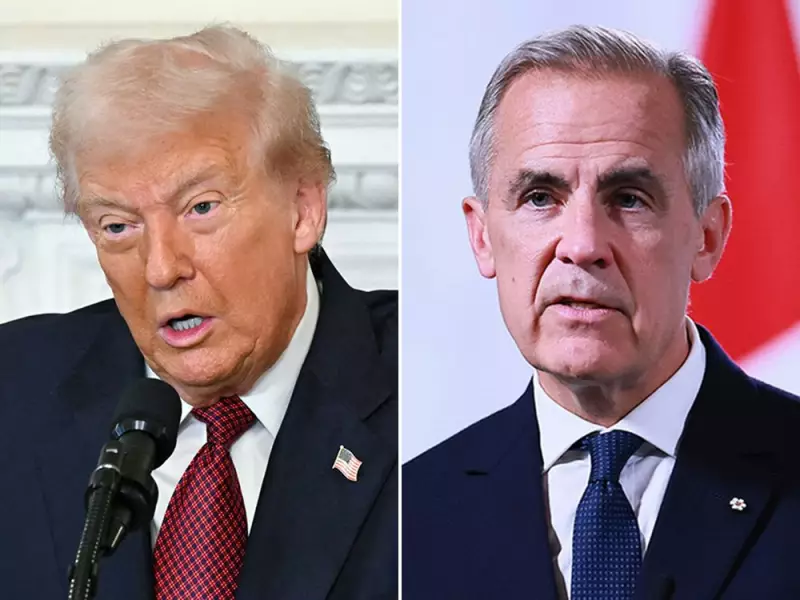
Soaring prices for everyday essentials are creating significant political pressure on both sides of the border, forcing U.S. President Donald Trump to reverse course on key tariffs. However, the problem is even more acute for Canadians, where the cost of living has been rising at a faster pace than in the United States.
Trump's Tariff Retreat
In a significant policy shift, President Trump was compelled to lower tariffs on a wide range of agricultural and food goods, including beef, coffee, bananas, tomatoes, and tropical fruit. This move, announced in mid-November, came as a direct response to growing concerns about the cost of living for American families. Since April, these products had been subject to a minimum 10 percent tariff, with some, like Brazilian beef and coffee, facing a hefty 50 percent surcharge.
The decision was met with relief by major trading partners, including Argentina, Brazil, Costa Rica, Ecuador, El Salvador, and Guatemala. This action represents a tacit admission from the Trump administration that the inherent contradictions in its protectionist trade policy were becoming politically unsustainable.

Canada's Calculated Gamble Backfires
The Carney government's strategy had been to wait for domestic pressures within the U.S. to force President Trump into a more favourable trade agreement. Dominic LeBlanc, the minister responsible for cross-border trade, expressed confidence in this approach as recently as last month, telling a Senate committee that these pressures would create an opportunity for a mutually beneficial deal.
While the Canadian strategy has seemingly borne fruit with Trump's tariff reversal, the situation in Canada has deteriorated more severely. The core issue for Ottawa is that prices have risen even more quickly in Canada than in the U.S., leaving Canadian consumers in a more precarious position despite the political win.
The Political Reality of Affordability
The catalyst for Trump's policy change was the rising tide of affordability politics in the United States. This was evident in recent off-year elections, including the election of Zohran Mamdani as New York mayor and moderate Democrat governors in New Jersey and Virginia.
Despite official U.S. inflation sitting at a relatively benign three per cent in September, this figure is disconnected from the reality citizens face at the checkout counter. This sentiment was captured in a message from a senior in Greensboro, N.C., who told Fox News, "Wall Street numbers don't reflect my Main Street money."
President Trump initially claimed that grocery prices are down and "everything is down", even pointing to Walmart's promotional Thanksgiving meal basket as evidence. However, it was later revealed that the cheaper basket contained fewer products and more store-brand items, masking the true inflationary pressure on household budgets.
The political and economic dynamics of rising prices are now front and center in both nations, creating a complex challenge for leaders in Washington and Ottawa as they navigate the intersection of trade policy and the daily financial struggles of their citizens.