Trump Executes Threat with Sweeping Tariffs Against Canada
In a significant escalation of trade tensions, former U.S. President Donald Trump has made good on his previous warnings by signing an executive order imposing sweeping tariffs on Canadian goods. The move, which took effect on February 1, 2025, represents one of the most aggressive trade actions against Canada in recent history and has immediately triggered a coordinated response from Canadian political and business leaders.
Canadian Leaders Respond with Forceful Condemnation
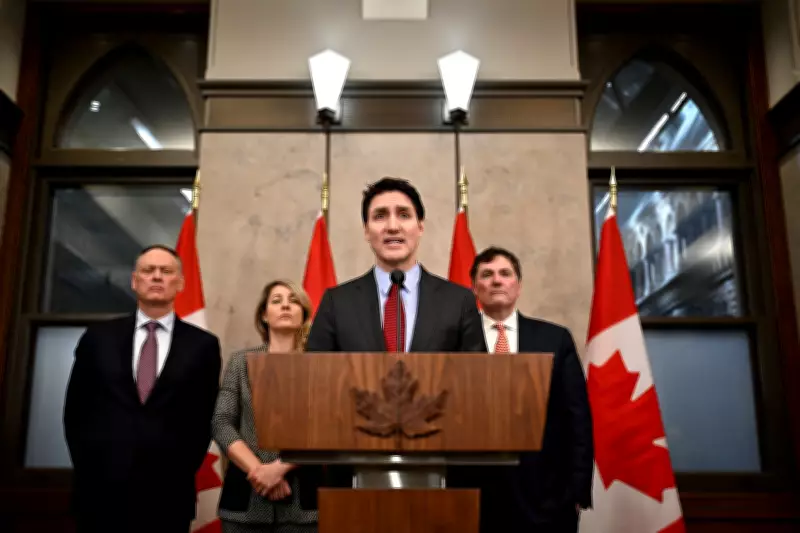
Canadian political figures across party lines have united in their criticism of Trump's decision. Ontario Premier Doug Ford characterized the tariff imposition as "not a smart move – it's selfish," emphasizing the interconnected nature of the North American economy. British Columbia Premier David Eby went further, labeling the action "a complete betrayal" of the longstanding trade relationship between the two nations.
Federal officials have indicated that Canada will implement retaliatory tariffs on American goods, a strategy that former diplomats suggest is necessary to capture Trump's attention in trade negotiations. "Levying retaliatory tariffs is what you have to do to get Trump's attention," explained one former Canadian diplomat familiar with bilateral negotiations.

Economic and Political Implications
Political analysts monitoring the situation note that Americans themselves are expressing concern about the internal impact of these tariffs. One analyst observed that many Americans are "very, very afraid" about how these measures will affect their own economy, particularly given the deeply integrated supply chains that cross the Canada-U.S. border.
The timing of this trade action coincides with other significant political developments in Canada, including Prime Minister Mark Carney's rollout of plans to build up the domestic defence sector with the goal of adding 125,000 jobs. Industry leaders have pointed to potential barriers in this defence industrial strategy, though these concerns have been temporarily overshadowed by the immediate tariff crisis.
Broader Context and Reactions
While the tariff announcement dominates political discourse, other news continues to unfold across Canada. The NDP leadership candidates are preparing for their final debate as they seek to distinguish themselves from the pack. Meanwhile, in the business sector, Power Corporation has named James O'Sullivan as its next CEO, with Jeffrey Orr transitioning to vice-chair.
The tariff decision comes against a backdrop of various regional developments, including extreme weather conditions affecting transportation, school cancellations due to winter storms across the Greater Toronto Area, and ongoing concerns about healthcare system pressures highlighted by tragic emergency room wait times in Manitoba.
As both nations assess the full implications of these trade measures, economic observers warn that the ripple effects could extend far beyond specific industries, potentially reshaping the broader Canada-U.S. relationship that has been carefully cultivated over decades of cooperation and mutual economic benefit.